
Reviewed · LANGHE, ALBA & TRUFFLE COUNTRY
Langhe Truffle hunting Experience
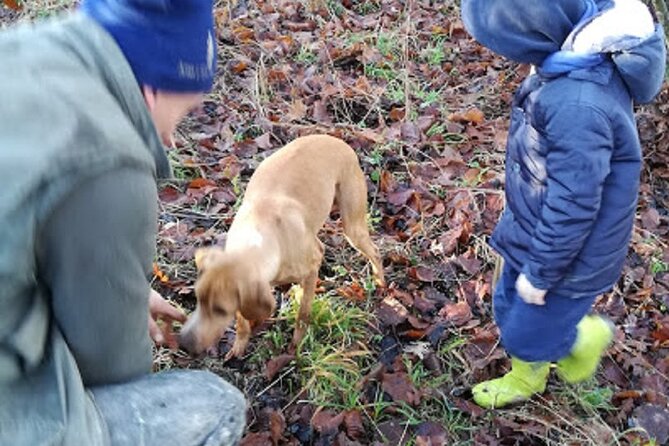
Truffles start with patience and a good nose. I love the hands-on walk with the trifolao (professional hunter) and his inseparable dog, and I love the way the English guide (for example Margherita) keeps everything clear when the hunter speaks Italian. You’re not just watching from the sidelines—you’re learning what to look for and how the hunt works.
One catch: there’s no included transfer. You’ll either drive yourself about 10–15 minutes to the hunt spot or request a car with a driver.
In This Review
- Key things I’d underline before you go
- A Truffle Hunt in Langhe-Roero: The Hunter, the Dog, and the Real Rhythm
- Meeting in Alba and Getting to the Secret Spot (Without Wasting Time)
- What Happens During the 2 Hours: A Simple, Focused Hunt
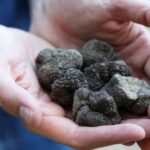
- Inside the Forest: How White and Black Truffles Are Different
- The Trifolao and Dog Show You Can’t Fake
- What You’ll Learn About Piedmont Food (And What to Ask For Later)
- Included Gear and What to Pack for Muddy Weather
- Truffles Found Aren’t Included: How the Buying Part Works
- Price and Value: Is $97.75 Worth It?
- Who This Tour Fits Best (And Who Might Want to Skip It)
- Should You Book the Langhe Truffle Hunt With the Trifolao?
- FAQ
- Where does the truffle hunt start?
- How long is the experience?
- Is the tour offered in English?
- Are raincoats and boots included?
- Do I need my own car to get to the hunt spot?
- Are truffles included in the tour price?
- How many people are in the group?
- Is the experience only for adults?
- When is white truffle season?
- What if bad weather cancels the tour?
Key things I’d underline before you go
- Trifolao hunting style: traditional methods, explained in plain language
- Trained dog partnership: you’ll see how the dog’s work fits the hunter’s calls
- White vs black truffles in context: how season changes what you’re likely to find
- Easy English communication: translator support so you don’t miss the details
- Real woodland time: a shaded forest walk with chances to get muddy
- Gear included: raincoats and boots if the weather turns wet
A Truffle Hunt in Langhe-Roero: The Hunter, the Dog, and the Real Rhythm
This experience takes place in the Langhe-Roero and Monferrato areas around Alba, where truffles aren’t a museum topic. They’re part of local culture and a seasonal craft, tied to soil, weather, and the specific job of finding what’s underground.
The heart of the tour is the trifolao and his dog working together. You learn the “why” behind the hunt, not just the “how.” The guide explains where and why truffles grow in this region, then connects that to what you’re seeing in the forest. And when the scent shifts—when the team gets interested—you feel it. This is a slow-paced activity, but it never drags.
I especially like the balance here: it’s education plus the real action of the hunt. You also get practical food ideas, like what dishes people aim for when they’ve found the right kind of truffle.
Meeting in Alba and Getting to the Secret Spot (Without Wasting Time)
Your meeting point is in Alba, at Parcheggio | Cimitero Via Ognissanti. The tour ends back at the same place, so you’re not stuck figuring out how to get home after a muddy walk.
The biggest logistics point is that the transfer isn’t included. You’ll drive (roughly 10–15 minutes) to reach the hunter in a secret location in the hills. If you don’t have a car, you can usually request transport by hired car with a driver, but it’s best to plan ahead.
What this means for you: the tour is smooth if you’re car-capable, and it’s still doable if you’re not—just don’t assume the pickup bus fantasy. Arriving on time matters because the hunt itself depends on timing and conditions.
Also note the tour is typically shared with other guests, capped at 14 travelers. That small group size helps the guide keep things personal while still letting everyone see the dog’s reactions.
More Langhe hills, Alba and truffle trips from Turin
What Happens During the 2 Hours: A Simple, Focused Hunt
The tour runs about 2 hours. It feels like a concentrated taste of the Piedmont truffle world—long enough for learning and the hunt, short enough that you’re not exhausted before dinner.
The flow is straightforward:
- You meet in Alba and meet the English-speaking guide/translator.
- You head to the hunter’s spot in the hills.
- You walk through the woods with the trifolao and his dog.
- You learn about types of truffles, seasonal timing, and how trained dogs are used.
- If truffles are found, you get the option to purchase them directly from the hunter.
You’ll likely do an easy hike and woodland walk, but “easy” still means uneven ground. Several accounts mention short treks with moments of steeper hillside walking, so comfortable shoes are smart.
Inside the Forest: How White and Black Truffles Are Different
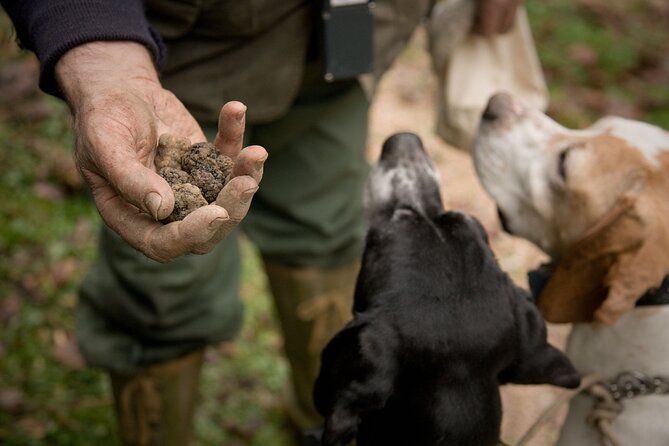
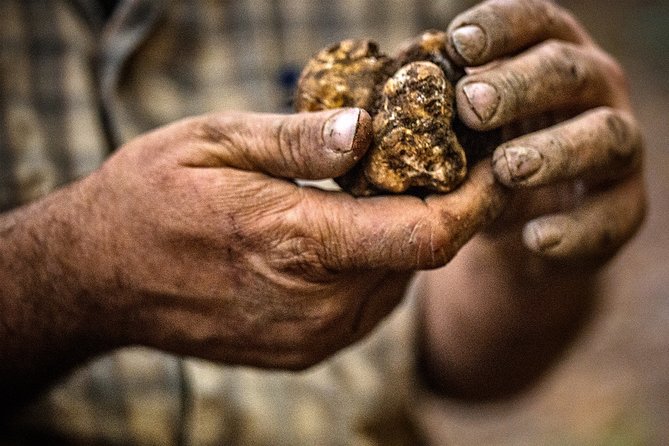
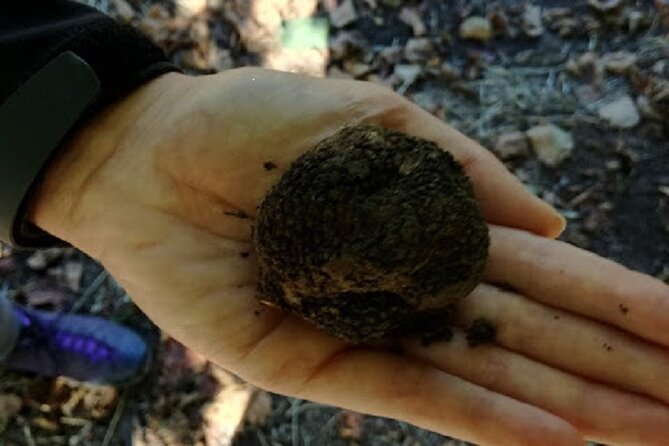
The guide covers the “field basics” that make truffles click. You’ll learn how black vs white truffle differs, and you’ll hear why season matters. In plain terms, truffles aren’t one thing—they’re a set of seasonal varieties with different timing and flavors.
Here’s the season guide you can plan around:
- White truffle season: October 1 to January 31
- Black truffle: different types at different times of the year
What I find useful about this: the tour doesn’t treat truffles like a single prize. It helps you understand why the same region can feel completely different depending on the month. That makes your restaurant orders later feel more intentional.
The walk also connects training to what you smell. You’ll notice the intense truffle scent during active moments. It’s not “mystical” in the vague way—your senses pick up what the dog is reacting to.
- Turin: Torino+Piemonte 2-Day City Card
★ 4.6 · 1,837 reviews - Turin: Guided Egyptian Museum Tour
★ 4.7 · 1,573 reviews - Turin: Magic Guided Tour
★ 4.6 · 1,447 reviews - Turin: Turin & Piedmont 3-Day City Card
★ 4.7 · 1,434 reviews
The Trifolao and Dog Show You Can’t Fake
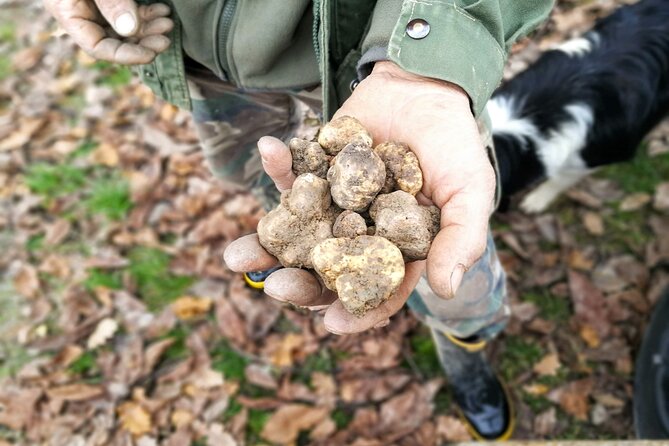
This is one of those rare tours where the main attraction isn’t a stage trick. The trifolao and the dog have a real working bond, and it shows in the way they focus.
You’ll learn about:
- how the dog is trained for hunting
- how the dog’s work supports the hunter’s skill
- why their partnership is central to finding truffles
You may also get small practical tips, like what to do if bugs are around (some guides provide bug spray). And if you’re lucky with timing and conditions, you’ll see the excitement when truffles are found.
Dog names come up in different guides and dates—Turbo, Gigi, Balli, Polly—so you’ll probably hear a familiar handler-and-dog rhythm once you’re there. The point isn’t the name. It’s the working style.
What You’ll Learn About Piedmont Food (And What to Ask For Later)
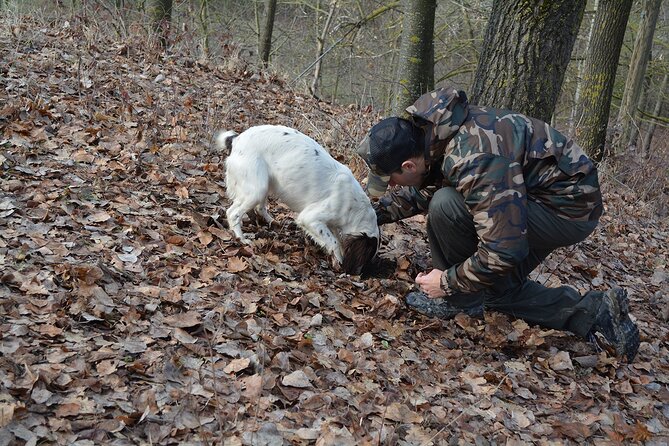
This tour isn’t just about the hunt; it’s about making you a better eater. Guides share dish tips tied to the truffle types you might find, and they help you understand what people look for on the plate.
If you’re a foodie, you’ll like the payoff. After the hunt, truffles don’t feel like random expensive shavings. They feel like a seasonal ingredient with a story: where it grows, why it shows up when it does, and what kind of flavor you’re chasing.
A smart move for you: when you order truffle in a restaurant later, pay attention to whether you’re being offered white or black, and in what season. That’s where the difference becomes obvious.
Included Gear and What to Pack for Muddy Weather
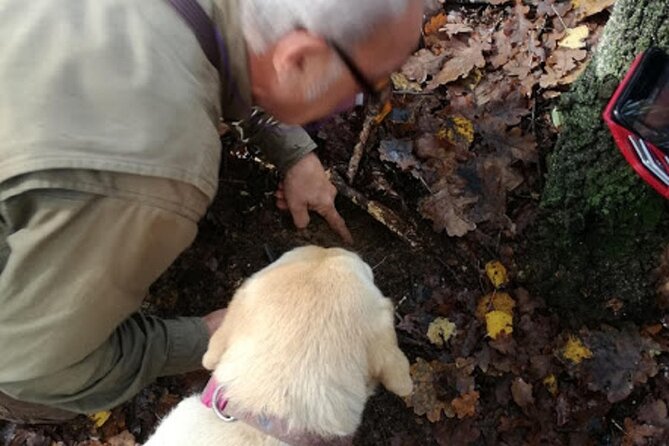
Rain gear is included: raincoats and boots. If it’s muddy (and it often can be), that matters. You can focus on the hunt instead of worrying about soggy socks from minute one.
Still, don’t treat included gear as “magical.” Bring warm clothing, especially in autumn and early winter when white truffles are in play. Reviews also advise warm socks—good call. One common tip is that certain parts of the forest stay shaded and don’t get much direct sun, so it can feel cooler than you expect.
Practical packing:
- warm layers for fall weather
- socks that can handle damp boots
- bug spray if you get bites easily (some guides provide it, but don’t rely on it)
- a jacket with a hood if it’s wet
Truffles Found Aren’t Included: How the Buying Part Works
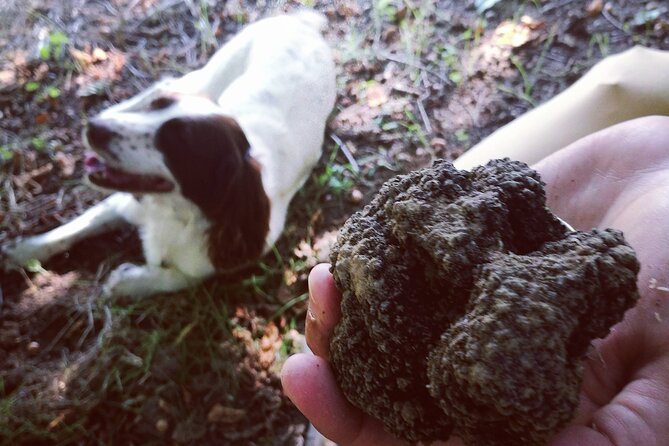
Here’s the money reality. Truffles found during the hunting are not included in the price. If you want to take any home, you purchase them from the hunter.
This can be a good thing for value-minded travelers. The tour fee covers the experience—guide, hunt instruction, and woodland time—so you’re not paying in advance for a product you may not want. If you’re on the fence, you can treat the hunt as the main event and buy only if you fall in love with what’s available.
Do consider the emotional side too: once the dog signals and the handler confirms a find, it can be hard not to want to try the real thing at least once. Just go in with a plan for whether you’ll buy.
Price and Value: Is $97.75 Worth It?
At $97.75 per person for about 2 hours, the value comes from what’s actually delivered. You’re paying for:
- a professional hunter and his trained dog
- guided explanation in English (via translator support)
- included rain gear
- a small-group woodland hunt around Alba
You are not paying for truffles themselves, and the transfer is on you unless you request a driver. That keeps the tour cost from ballooning, but it does shift some responsibility onto you for getting to the meeting point and the hunt spot.
My practical take: this feels like good value if you want something authentic, sensory, and educational—something you can’t replicate by booking a scenic walk. If your goal is only to see a nice forest, you’ll probably prefer a less expensive nature route.
Who This Tour Fits Best (And Who Might Want to Skip It)
This is a great match if you:
- love food and want to understand truffles, not just taste them
- enjoy guided nature walks
- appreciate local traditions like the bond between a hunter and a working dog
- travel in a small group setting (max 14)
It’s also been described as suitable for both children and adults, since the hike is short and people may even be able to participate in digging (when appropriate and guided). That makes it fun for families who can handle a damp woodland walk.
You might want to think twice if:
- you hate uneven ground or steeper moments
- you don’t have a car and don’t want to arrange a driver
- you’re not interested in the buying option at the end
Should You Book the Langhe Truffle Hunt With the Trifolao?
I’d book it if you want a Piedmont experience with real hands-on focus. The strongest reasons are the trifolao + trained dog pairing and the fact that you learn what you’re seeing—white vs black, seasonality, and the hunting craft—while you’re in the woods.
I wouldn’t book it if you’re hoping for a simple, zero-logistics activity. The transfer isn’t included, the walk includes damp-forest reality, and truffles cost extra if you want them.
If you’re deciding between a “nice walk” and a “story you can taste,” this leans hard toward the second.
FAQ
Where does the truffle hunt start?
You meet in Alba at Parcheggio | Cimitero Via Ognissanti, 12051 Alba CN, Italy. The tour ends back at the same meeting point.
How long is the experience?
The experience lasts about 2 hours.
Is the tour offered in English?
Yes. The experience is offered in English.
Are raincoats and boots included?
Yes. Raincoats and boots are included.
Do I need my own car to get to the hunt spot?
The transfer is not included. You’ll need your own car to follow the guide to the hunt location, about 10–15 minutes away. A hired car with a driver can be provided on request.
Are truffles included in the tour price?
No. Truffles found during the hunt are not included in the price. You can purchase them from the hunter if you want.
How many people are in the group?
The tour has a maximum of 14 travelers.
Is the experience only for adults?
Most travelers can participate, and the experience has been described as enjoyable for children and adults. Expect a woodland walk with some uneven ground.
When is white truffle season?
White truffle season runs from October 1 to January 31. Black truffles come in different types at different times of the year.
What if bad weather cancels the tour?
The experience requires good weather. If it’s canceled due to poor weather, you’ll be offered a different date or a full refund.
More Tour Reviews in Turin
- Turin: Torino+Piemonte 2-Day City Card★ 4.6 · 1,837 reviews
- Turin: Guided Egyptian Museum Tour★ 4.7 · 1,573 reviews
- Turin: Magic Guided Tour★ 4.6 · 1,447 reviews
- Turin: Turin & Piedmont 3-Day City Card★ 4.7 · 1,434 reviews
- Turin: Egyptian Museum Small Group Skip-the-Line Guided Tour★ 4.8 · 1,332 reviews
- Turin: Hop-on Hop-off Bus Tour with 24 or 48-Hour Ticket★ 4.2 · 941 reviews
More Langhe, Alba and Truffle Trips
- Museo delle Langhe Entrance Ticket★ 4.5 · 99 reviews
- Truffle Hunt & Wine Tasting★ 5.0 · 39 reviews
- Barolo & Barbaresco Wine Experience with a Local Winemaker / Alba★ 5.0 · 25 reviews
- “Langhe del Barolo” Private E-bike Tour – Asphalt and Dirt Road★ 5.0 · 23 reviews
- 2-Hour Guided Family Pasta or Pizza Cooking Class in Acqui Terme★ 5.0 · 22 reviews
- Truffle Hunting and Lunch in Piedmont Trattoria★ 5.0 · 20 reviews
Not sure yet? Here are more Turin tours and Piedmont escapes we have written up



Langhe, Alba & Truffle Country, compared.
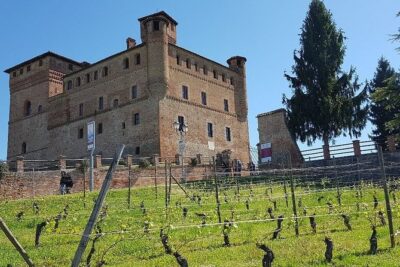 ★ 4.5Museo delle Langhe Entrance TicketFrom $999 reviews
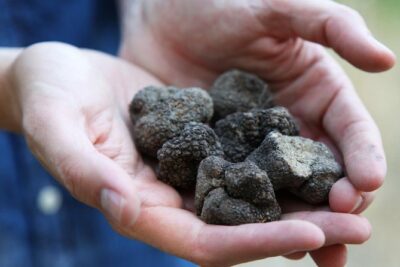 ★ 5.0Truffle Hunt & Wine TastingFrom $16539 reviews
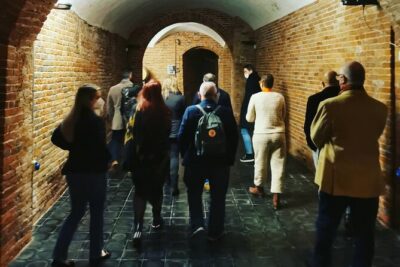 ★ 5.0Barolo & Barbaresco Wine Experience with a Local Winemaker / AlbaFrom $18025 reviews
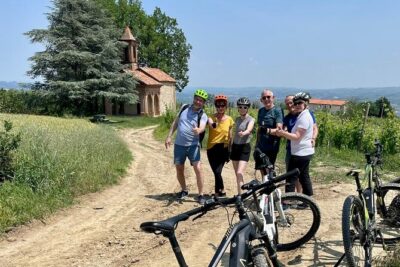 ★ 5.0“Langhe del Barolo” Private E-bike Tour – Asphalt and Dirt RoadFrom $12023 reviews
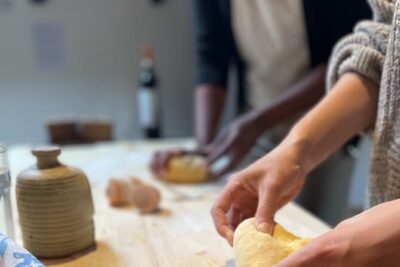 ★ 5.02-Hour Guided Family Pasta or Pizza Cooking Class in Acqui TermeFrom $10822 reviews
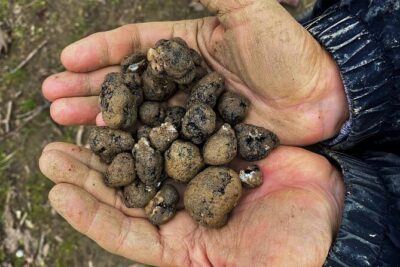 ★ 5.0Truffle Hunting and Lunch in Piedmont TrattoriaFrom $19220 reviews
 ★ 5.0ALBA walking & TASTING tour (food, wine and history)From $16613 reviews
 ★ 5.0Private E-bike Tour ” Langhe del Barbaresco ” – Asphalt onlyFrom $12013 reviews
Browse the lists this tour appears in