
Reviewed · ROYAL PALACE, PALAZZO REALE & THE HOLY SHROUD
Turin: 2-Hour Palazzo Reale Tour
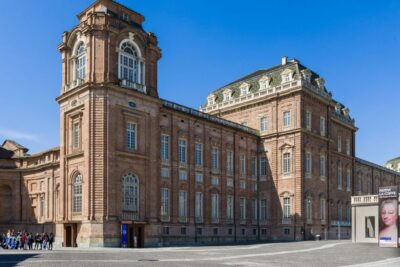
Turin’s royal rooms fit neatly into two hours. This is a focused guided visit to the Palazzo Reale (Royal Palace), once the official residence of the House of Savoy and named a UNESCO World Heritage Site in 1997. I love how skip-the-line entry gets you inside faster, and I also like the small group size (max 9), which makes it easier to ask questions and actually follow what you’re seeing.
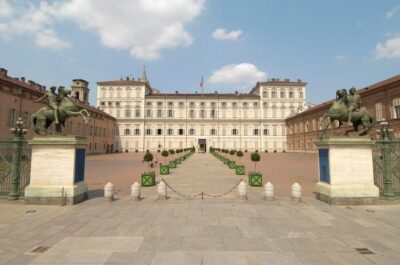
You’ll start at Piazza Castello, meet your licensed guide by the palace gate, and move through the rooms most people only see in photos. The stop list hits big-name spaces like the Throne Room and the Scissors Staircase, plus the Armoury, which holds over 5,000 objects.
One possible drawback: with a tight 2-hour format, you’ll get a strong overview, but you won’t have time to linger and wander on your own like you might during a longer, self-paced visit.
In This Review
- Key Points to Know Before You Go
- Entering Palazzo Reale Fast: Piazza Castello to Royal Rooms
- The House of Savoy Context You’ll Actually Use
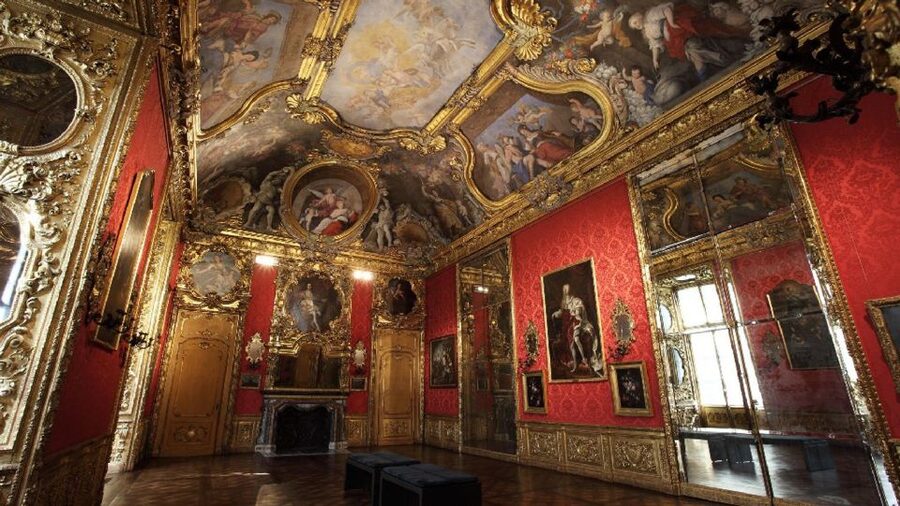
- Swiss Salon to Throne Room: How the Palace Stages Power
- Grand Salon of the Swiss
- Throne Room
- Coffee Room
- Carlo Emanuele II’s Alcove and the 1720 Scissors Staircase
- Alcove Room of Carlo Emanuele II
- Scissors Staircase (Filippo Juvarra, 1720)
- The 19th-Century Ballroom: Where Ceremony Meets Style
- Armoury Stop: Over 5,000 Objects With Real Range
- Small Group Reality: Why Max 9 People Changes the Experience
- Guide Languages and the Comfort Factor
- Timing: A 2-Hour Plan That Chooses the Right Stops
- Price and Value: What You’re Paying For (and What You’re Not)
- Who Should Book This Turin Royal Palace Tour
- Who Might Prefer a Different Plan
- Should You Book the Turin 2-Hour Palazzo Reale Tour?
- FAQ
- Where do we meet for the tour?
- What time does the tour start?
- How long is the tour?
- Is skip-the-line entry included?
- How large is the group?
- What languages are offered for the live guide?
- What rooms and highlights are included?
- Who created the Scissors Staircase and when?
- What is included besides the main palace rooms?
- Can I cancel, and is there a pay-later option?
Key Points to Know Before You Go
- Skip-the-line access means less queue time and more time in rooms that matter
- Max 9 people keeps the pace calmer than most large group tours
- Savoy highlights include the Swiss Salon, Throne Room, Coffee Room, and Carlo Emanuele II’s Alcove
- Scissors Staircase by Filippo Juvarra (1720) is a must-see visual payoff
- Armoury visit adds context with weapons and armor ranging from Prehistory to the early 20th century
Entering Palazzo Reale Fast: Piazza Castello to Royal Rooms
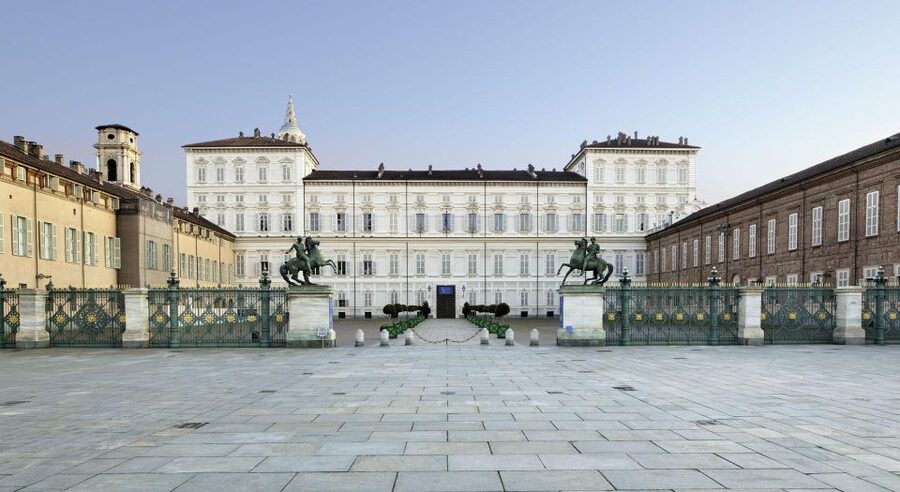
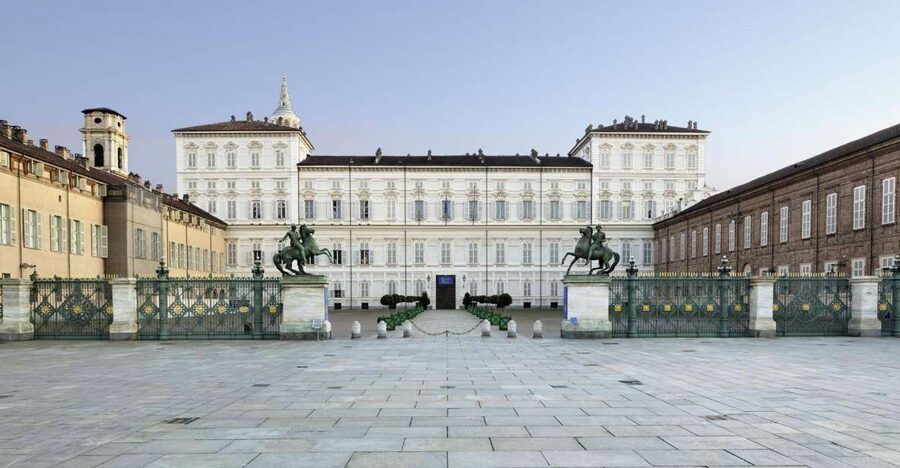
The meeting point is practical: you meet your guide in front of the Royal Palace gate near Piazza Castello (the tour lists 2:30 PM). This matters, because the Royal Palace is a magnet for visitors, and “waiting your turn” is the easiest way to lose the best part of a museum day.
Once you’re inside, the guide keeps things moving. With skip-the-line entry, you don’t waste the first chunk of your limited time. You also avoid the common problem of getting inside, looking around for a bit, then realizing you missed the guide’s best explanations because you were still trying to find your bearings. Here, you get your bearings fast.
Also, the tour is built around a licensed guide and runs in Italian, English, and Spanish. That language flexibility is more than a convenience—if your group includes more than one native language, it keeps the experience smooth and focused instead of turning into a fractured “watch-and-guess” situation.
The House of Savoy Context You’ll Actually Use
Turin’s Royal Palace isn’t just “pretty rooms.” It was the official residence of the House of Savoy, and that political and cultural role helps explain why the interiors look the way they do. The UNESCO listing (1997) isn’t just a badge—it’s a hint that you’re seeing a whole system of power, taste, and court life preserved in architecture and decoration.
In a good 2-hour visit, the goal isn’t to memorize dates. It’s to understand what you’re looking at while you’re still in front of it. This tour does that by steering you room-to-room with clear themes: court ceremony (throne space), daily rituals (salons and private rooms), and the palace’s relationship to military life (the Armoury).
One thing I appreciate from the included feedback: several people highlight that the guidance helps you connect palace rooms to how people lived and how the city functioned around the court. That’s a big difference between a tour that just points and a tour that gives you a lens.
More Royal Palace and Holy Shroud tours in baroque Turin

Swiss Salon to Throne Room: How the Palace Stages Power
After entry, you’ll start with some of the most recognizable “court” interiors. The tour specifically calls out the grand Salon of the Swiss, the Throne Room, and the Coffee Room, and each one teaches you something different.
Grand Salon of the Swiss
The Salon of the Swiss is one of those spaces where the room’s purpose is written into its layout and decoration. Even without a technical museum background, you’ll likely notice how these chambers are designed for display—where people gather, where authority is shown, and where ceremonies could play out.
A few more Turin tours and Piedmont escapes we have written up
- Turin: 2 Hour Guided Walking Tour
★ 4.6 · 30 reviews - 2-Hour Guided Family Pasta or Pizza Cooking Class in Acqui Terme
★ 5.0 · 22 reviews
Throne Room
The Throne Room is the centerpiece for a reason. When you stand in a space like this, you’re basically standing in the logic of rule: who sits where, what visitors would see, and how the room sets the mood for decision-making. A guided explanation helps you see beyond ornament and recognize the intended effect.
Coffee Room
The Coffee Room is a fun contrast. It shifts you away from strict ceremony and toward more personal, day-to-day court culture. You get a sense that the palace wasn’t only for formal events—it was also for social routines, conversation, and the quieter side of elite life.
Carlo Emanuele II’s Alcove and the 1720 Scissors Staircase
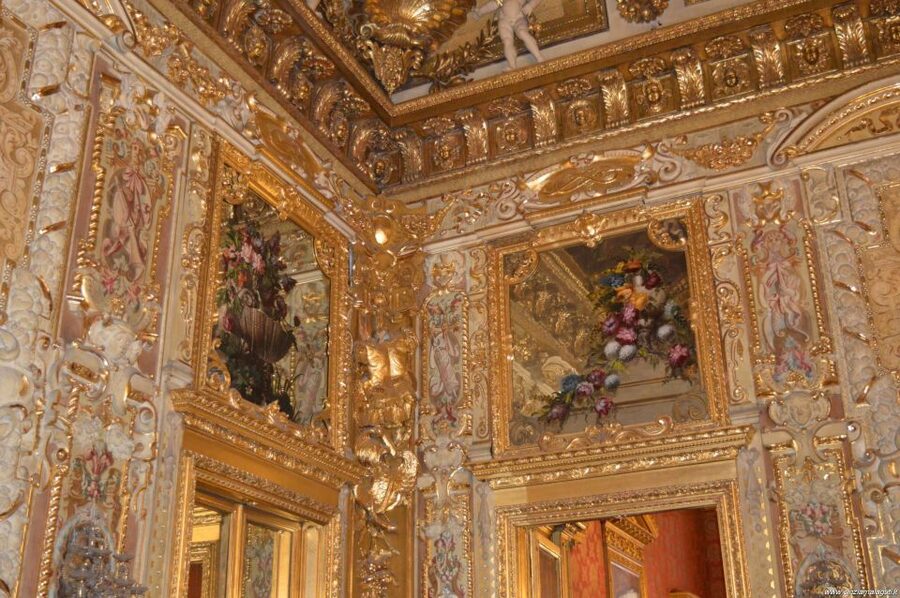
If you want one “pause and stare” moment, this tour gives it to you: the Scissors Staircase, created by Filippo Juvarra in 1720.
Alcove Room of Carlo Emanuele II
The Alcove Room of Carlo Emanuele II is the kind of stop that pays off when a guide frames it as more than decoration. Alcoves are intimate by design. They can imply privacy, status, and controlled visibility—small spatial choices that shape how the court moved and how people encountered each other.
You’ll likely appreciate this stop most if you like noticing how architecture nudges behavior. Even if you’re not an art-history person, you can still read the space like a stage.
Scissors Staircase (Filippo Juvarra, 1720)
Then you get the staircase. The name alone makes you curious, but the real value is how the design works in space: the staircase is a visual trick that delivers dramatic impact while still fitting the palace’s needs. The guide’s timing here is key—seeing it without explanation can turn it into just a cool photo moment. Seeing it with context turns it into a “how did they even think of that?” moment.
The 19th-Century Ballroom: Where Ceremony Meets Style
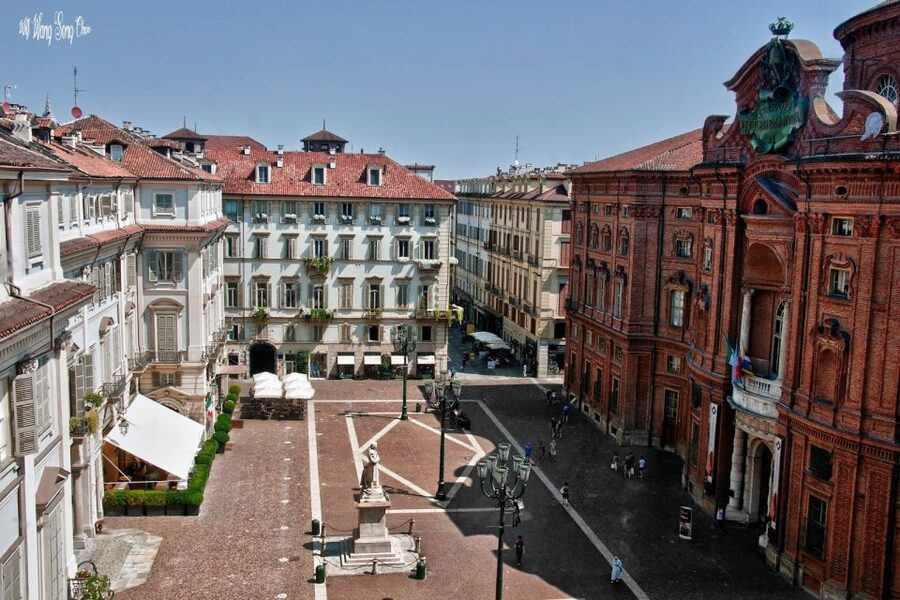
The tour also includes the 19th-century Ballroom. Ballrooms can feel similar in other palaces, so what matters is how this one fits Turin’s story and the palace’s evolving life. The guide’s job is to connect the “ballroom” idea—music, social performance, high-level gatherings—with what the room tells you about the period’s style.
This stop works well late in the tour because by then you understand the palace rhythm: the formal spaces, the semi-private spaces, and the spaces designed for public display.
Armoury Stop: Over 5,000 Objects With Real Range
The Royal Palace tour isn’t complete without the Armoury, and I like that. It’s easy to think of palaces as purely decorative or ceremonial, but the Armoury puts court life into a practical, historical frame.
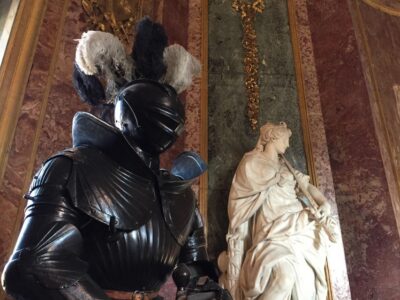
Here’s what you get: the Armoury currently has more than 5,000 objects, stretching from Prehistory to the beginning of the twentieth century. That’s a massive chronological spread, and it can be overwhelming if you wander in without guidance—so the value is in choosing what to notice.
You’ll see items like 16th-century weapons and armor called out as part of the collection. The guide can help you make sense of why these objects belong in a palace context: power is not only symbolic. It’s backed up, maintained, and enforced.
This is also where the tour’s total “Palazzo Reale” experience feels complete. You get the court rooms, then the material culture of force and protection—an angle that makes the palace feel more human and less like a set piece.
Small Group Reality: Why Max 9 People Changes the Experience
Max 9 participants sounds like a neat number, but it matters in practice. In a smaller group, you’re more likely to:
- hear the guide without craning your neck
- keep moving without feeling rushed through every doorway
- get answers that match what you’re actually curious about
In the feedback, people praise the professional guiding style and the thoughtful pace. One review specifically mentions a guide making the tour about half an hour longer, which tells me the guide isn’t just reciting a script. Another review highlights how the tour gives a solid overview of the city and how people here lived or had lived. That’s the kind of added value you feel when the group is small enough for the guide to adjust.
If you dislike big groups—especially in places with tight rooms—this format is a smart match.
Guide Languages and the Comfort Factor
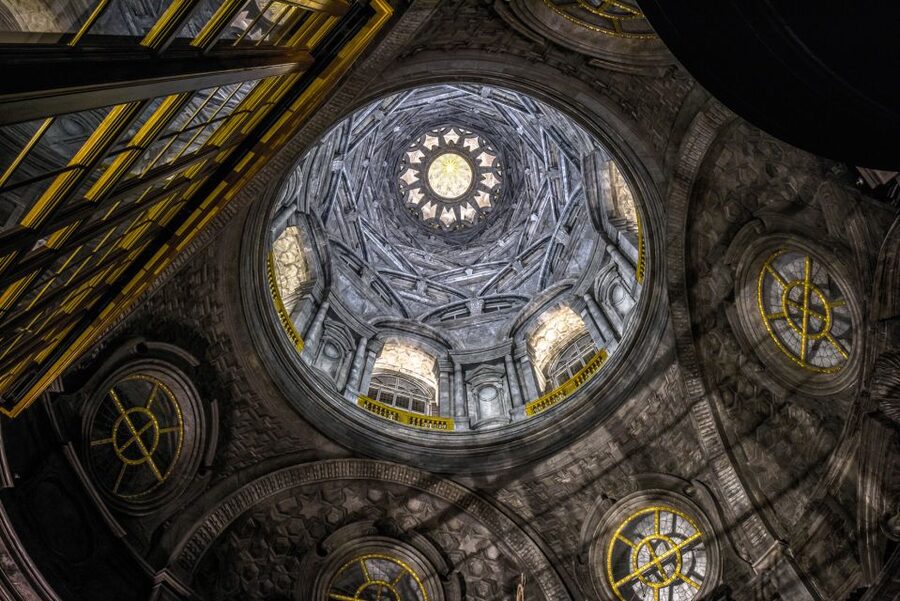
The tour runs with a live guide in Italian, English, or Spanish. That affects the quality of your experience more than most people expect. Even if you can speak a second language, museum explanations are full of nuance—style terms, historical context, architectural intent. Having a guide working directly in your language keeps things understandable instead of diluted.
It also reduces that awkward moment where you try to translate on the fly while other people hear the full story. Here, your explanation stays in sync with what you’re seeing.
Timing: A 2-Hour Plan That Chooses the Right Stops
With only 2 hours, the tour needs strong priorities—and it does. You get:
- key palace rooms (Swiss Salon, Throne Room, Coffee Room)
- a named personal space (Carlo Emanuele II’s Alcove)
- a signature architectural moment (Scissors Staircase, 1720, Filippo Juvarra)
- the Armoury’s vast collection context
That combination is good value because it covers both “aesthetic power” and “real-world power.” Many shorter tours skim either the rooms or the museum sections. This one includes both palace living spaces and the Armoury overview, so you leave with a more complete picture.
Still, your expectations should fit the duration. You’ll likely get more out of it if you treat this as an orientation tour—then, if you want, you can come back later for slower wandering on your own.
Price and Value: What You’re Paying For (and What You’re Not)
You’re paying for three things that usually cost you time and energy:
- Skip-the-line entry, which protects your limited visit window
- a professional licensed guide, which turns rooms into understandable stories
- a small-group format, which keeps the experience manageable
Since the tour includes major stops plus the Armoury, the value is less about “how many rooms” and more about how well those stops fit together. The Royal Palace can feel like a maze if you go in cold. Here, the guide helps you focus on the most meaningful spaces and explains what makes them worth your time.
If you hate lines and you want clarity fast, this is a strong setup. If you prefer drifting and reading at your own speed for a long afternoon, you might feel constrained by the structure.
Who Should Book This Turin Royal Palace Tour
This tour is a great fit if you:
- want the biggest Royal Palace highlights without a half-day commitment
- value a guide to connect architecture to court life
- prefer small groups over crowded experiences
- like a mix of decorative rooms and object-based museum content (the Armoury)
It’s also a good option for first-time visitors to Turin who want a compact “core” experience tied to the city’s identity through the House of Savoy.
Who Might Prefer a Different Plan
If you’re the kind of visitor who needs time to absorb details slowly—especially in large museums—you may want a longer visit option. The 2-hour format is designed for momentum and selection, not for deep solo reading.
Also, if you’re coming from far away and arriving late at Piazza Castello is likely, build buffer time. This tour starts with meeting the guide by the palace gate at 2:30 PM, so you’ll want to be there ready to go.
Should You Book the Turin 2-Hour Palazzo Reale Tour?
I’d book it if your goal is a high-impact, structured Royal Palace visit with skip-the-line convenience and a guide who helps you see the palace as a functioning court, not just a set of rooms. The included focus—from the Swiss Salon and Throne Room to Juvarra’s Scissors Staircase and the Armoury’s wide collection—gives you a balanced “royal living plus royal power” picture in a short window.
Pass if you want to roam freely for hours or you’re hoping for a slow, totally unstructured day. For most visitors, though, this is a smart way to get the essentials right away, then decide what else you want to explore around Turin.
FAQ
Where do we meet for the tour?
You meet the guide in front of the Royal Palace gate near Piazza Castello, at the provided meeting coordinates.
What time does the tour start?
The meeting time listed is 2:30 PM.
How long is the tour?
The tour lasts 2 hours.
Is skip-the-line entry included?
Yes. You get skip-the-line tickets for the Palazzo Reale.
How large is the group?
It’s a small group limited to a maximum of 9 participants.
What languages are offered for the live guide?
The live guide is available in Italian, English, and Spanish.
What rooms and highlights are included?
The tour includes the grand Salon of the Swiss, the Throne Room, the Coffee Room, the Alcove Room of Carlo Emanuele II, the 19th-century Ballroom, and the Scissors Staircase.
Who created the Scissors Staircase and when?
The Scissors Staircase was created by Filippo Juvarra in 1720.
What is included besides the main palace rooms?
You also visit the Armoury, which has more than 5,000 objects.
Can I cancel, and is there a pay-later option?
The tour offers free cancellation up to 24 hours in advance for a full refund, and it also offers reserve now & pay later.
More Tours in Turin
- Turin: Guided Egyptian Museum Tour★ 4.7 · 1,573 reviews
- Turin: Magic Guided Tour★ 4.6 · 1,447 reviews
- Turin: Egyptian Museum Small Group Skip-the-Line Guided Tour★ 4.8 · 1,332 reviews
- Turin: Hop-on Hop-off Bus Tour with 24 or 48-Hour Ticket★ 4.2 · 941 reviews
- Turin: Small-Group Walking Tour of Top City Highlights★ 4.8 · 839 reviews
- Turin: Juventus Museum entry ticket & Stadium Tour★ 4.4 · 561 reviews
More Tour Reviews in Turin
- Turin: Torino+Piemonte 2-Day City Card★ 4.6 · 1,837 reviews
- Turin: Guided Egyptian Museum Tour★ 4.7 · 1,573 reviews
- Turin: Magic Guided Tour★ 4.6 · 1,447 reviews
- Turin: Turin & Piedmont 3-Day City Card★ 4.7 · 1,434 reviews
- Turin: Egyptian Museum Small Group Skip-the-Line Guided Tour★ 4.8 · 1,332 reviews
- Turin: Hop-on Hop-off Bus Tour with 24 or 48-Hour Ticket★ 4.2 · 941 reviews
More Royal Palace and Holy Shroud Tours
- Royal Palace of Turin Skip-the-Line Ticket and Guided Tour★ 4.7 · 233 reviews
- Turin: Palazzo Madama Museum of Ancient Art Entrance Ticket★ 4.6 · 149 reviews
- Private Turin Royal Palace Tour with Holy Shroud Chapel★ 4.5 · 73 reviews
- Turin: Entrance ticket for Palazzo Reale & audioguide★ 3.9 · 67 reviews
- Wine Tasting near Royal Palace of Turin with Food Platter★ 4.7 · 39 reviews
- Royal Palace of Turin and Palazzo Madama Night Guided Tour★ 4.9 · 27 reviews
Not sure yet? Here are more Turin tours and Piedmont escapes we have written up


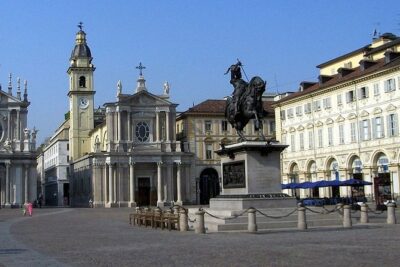
Royal Palace, Palazzo Reale & the Holy Shroud, compared.
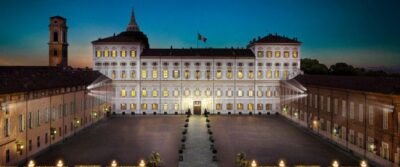 ★ 4.7Royal Palace of Turin Skip-the-Line Ticket and Guided TourFrom $42233 reviews
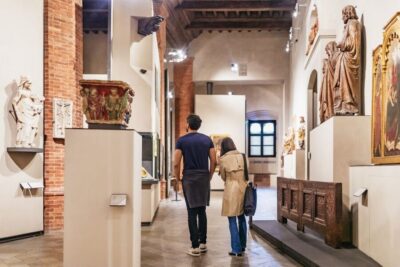 ★ 4.6Palazzo Madama Museum of Ancient Art Entrance TicketFrom $11149 reviews
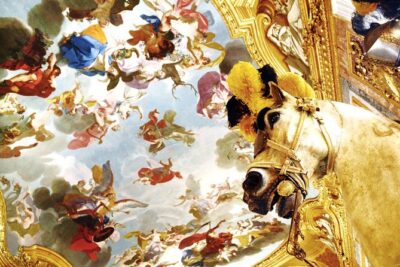 ★ 4.5Private Turin Royal Palace Tour with Holy Shroud ChapelFrom $22373 reviews
 ★ 3.9Entrance ticket for Palazzo Reale & audioguideFrom $4667 reviews
 ★ 4.7Wine Tasting near Royal Palace of Turin with Food PlatterFrom $5339 reviews
 ★ 4.9Royal Palace of Turin and Palazzo Madama Night Guided TourFrom $5427 reviews
 ★ 4.5Private Tour on The Path of The Holy ShroudFrom $24026 reviews
★ 4.8Private Tour on The Path of The Holy ShroudFrom $22625 reviews
★ 4.5Private Tour on The Path of The Holy ShroudFrom $24026 reviews
★ 4.8Private Tour on The Path of The Holy ShroudFrom $22625 reviews
Browse the lists this tour appears in