
Reviewed · TURIN WALKING & SIGHTSEEING TOURS
Turin: 2,5 Hour Classic Walking Tour
Turin can feel grand fast, but this walk makes it readable. This classic stroll threads medieval lanes, baroque palaces, and elegant squares into one easy route, with a smart stop at the Duomo for the Turin Shroud.
I especially like two things: you get a small group (max 10), so your guide can actually answer questions, and the guiding style tends to be energetic and personal, including route tweaks like quieter side corners.
One caution: there’s a dress code—no shorts or sleeveless shirts—so plan outfits accordingly, or you may get turned away.
In This Review
- Key things I’d zero in on
- From Piazza Castello into Turin’s layers
- Palazzo Madama and the court-world of Turin
- Palazzo Reale, Savoy power, and that famous cathedral spire
- Piazza San Carlo: Europe’s sitting room, on foot
- Piazza Carignano and the Vittorio Emanuele II connection
- The espresso stop and giandujotti: your Turin moment
- Quadrilatero Romano: feeling the Roman grid underfoot
- Small-group guiding: the real value
- Who should book this Turin walking tour
- Quick planning tips so the day feels easy
- Should you book it?
- FAQ
- How long is the Turin classic walking tour?
- Where does the tour start?
- What major sights are included?
- Do you get a food stop?
- Is the tour wheelchair accessible?
- How big is the group?
- What should I wear?
Key things I’d zero in on
- Piazza Castello start point: an easy “from here we’ll build the whole city” launch.
- Palazzo Madama + Palazzo Reale: both court-era stories in walking distance.
- Duomo Shroud stop: a major spiritual artifact made practical to see on foot.
- Piazza San Carlo: the square locals call Europe’s sitting room.
- Espresso + giandujotti: a real Turin-style break, not just a random coffee stop.
- Quadrilatero Romano: where you can still feel the Roman plan under the later city.
From Piazza Castello into Turin’s layers
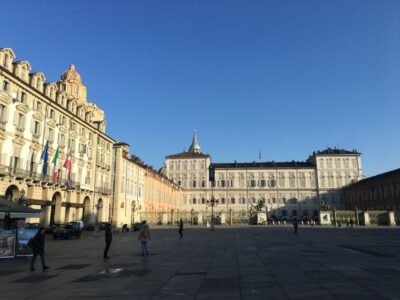
Your tour starts at Piazza Castello, right in the historic core. That matters because Turin’s best sights are close together, but the city’s look changes fast as you move between medieval streets, baroque squares, and grand royal buildings. Starting here helps you get your bearings fast, and it keeps the walk from feeling like a checklist.
A good walking tour is part sightseeing, part translation. Here, the guide ties architecture to power: who lived where, who ruled, and why squares and arcades (porticoes) became the city’s everyday stage. The pace is friendly for a classic format, with enough “stop and look” moments to let the details sink in.
If you’re the type who likes small-group chatting, this one is built for that. With a limit of 10 participants, questions don’t get swallowed. You’ll also hear guiding offered in English, Greek, Italian, and Polish, depending on the session.
Palazzo Madama and the court-world of Turin
One of the early standouts is Palazzo Madama, known as a favorite residence of the Ladies of the Royal Court. That’s a great angle because it shifts the focus away from only kings and battles. You’re walking through a place shaped by court life—shows, ceremonies, and the everyday politics of a palace that mattered.
The building also gives you a lesson in Turin’s “over time” look. Even if you’ve only seen Turin from photos, palaces here don’t feel like single-era backdrops. They feel like layers. A guide makes that visible by pointing out what to notice first: proportions, the façade mood, and the way palaces relate to the squares around them.
What to watch for: you’ll want to keep an eye on where you stand during photos. These palaces are wide and monumental, but viewpoints can be tight in busy lanes. If you like pictures, arrive ready to pause quickly and follow the guide’s positioning.
More Turin walks along the porticoes and past the Mole
Palazzo Reale, Savoy power, and that famous cathedral spire
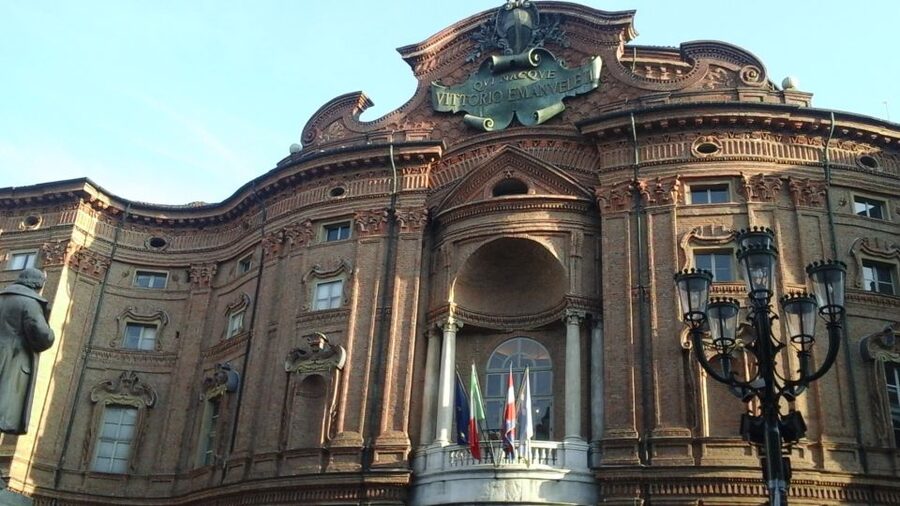
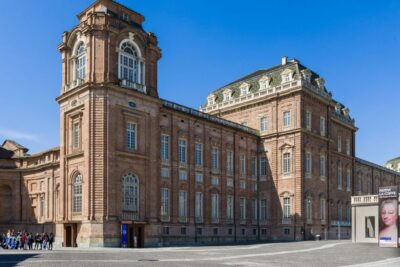
Next comes Palazzo Reale, tied to the Savoy kings and the royal court. This stop is about understanding Turin as a seat of government and ceremony. If you’ve ever wondered why cities build such grand “centerpieces,” the answer shows up here: ruling families needed spaces that impressed, organized power, and reinforced legitimacy.
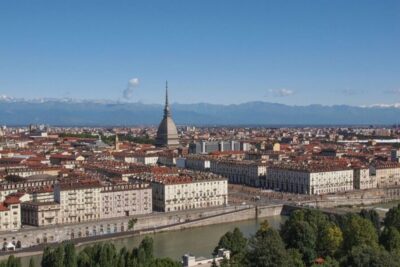
From there, you start spotting the Cathedral Duomo spire in the distance. That’s a small thing, but it helps. It gives you a visual anchor, so the walk feels like you’re moving toward a payoff rather than bouncing between points.
When you reach the Duomo area, the story pivots to something bigger than architecture: the Turin Shroud is kept inside. The tour frames it in a grounded way—there’s still debate about whether the linen is the cloth associated with Christ. For many visitors, that uncertainty is part of the meaning. You get to see the site as both a religious reference point and a major cultural question.
What I think you’ll appreciate: the guide doesn’t treat the Shroud like only a headline. You’ll likely hear enough context to understand why people care, and why the discussion still matters today.
Piazza San Carlo: Europe’s sitting room, on foot
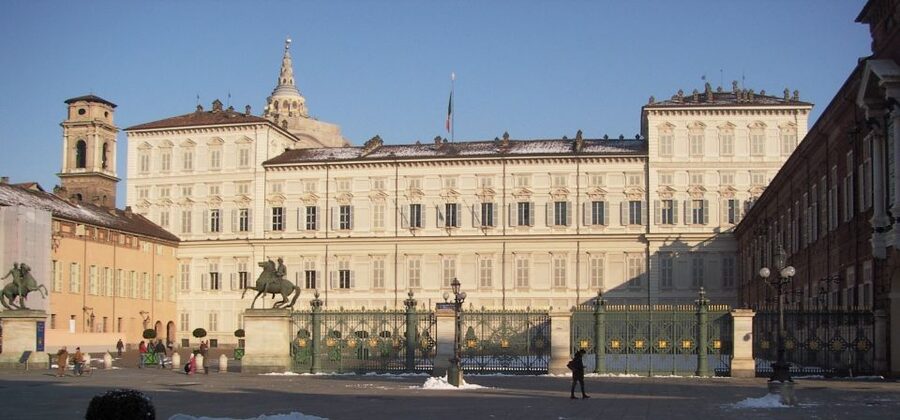
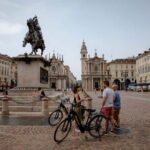
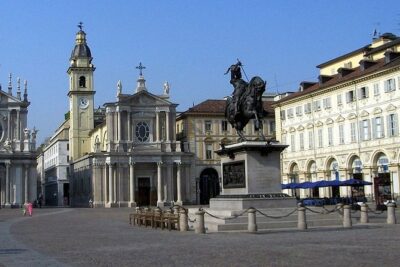
Then comes Piazza San Carlo, often described as Europe’s sitting room. That nickname isn’t just marketing flair. The square feels designed for lingering—wide, elegant, and built for people-watching. Even on a walking day, you feel how squares in Turin function like outdoor living rooms.
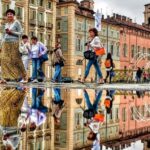
This is where you can slow your pace a bit. You’re not only looking at buildings; you’re learning how the city uses public space. The arcades and the surrounding façades guide where you look and where you naturally walk, which makes the square feel coordinated instead of random.
Practical tip: if you’re hoping for a clear photo, pick a moment when the guide has paused the group for explanation. Don’t rush the photo mid-explanation—you’ll miss the details you came for.
- Turin: Torino+Piemonte 2-Day City Card
★ 4.6 · 1,837 reviews - Turin: Guided Egyptian Museum Tour
★ 4.7 · 1,573 reviews - Turin: Magic Guided Tour
★ 4.6 · 1,447 reviews - Turin: Turin & Piedmont 3-Day City Card
★ 4.7 · 1,434 reviews
Piazza Carignano and the Vittorio Emanuele II connection
From Piazza San Carlo, you move toward Piazza Carignano, where the baroque architecture really shows off. Baroque in Turin can feel more controlled than in some other Italian cities, and that balance is part of why the square looks so refined.
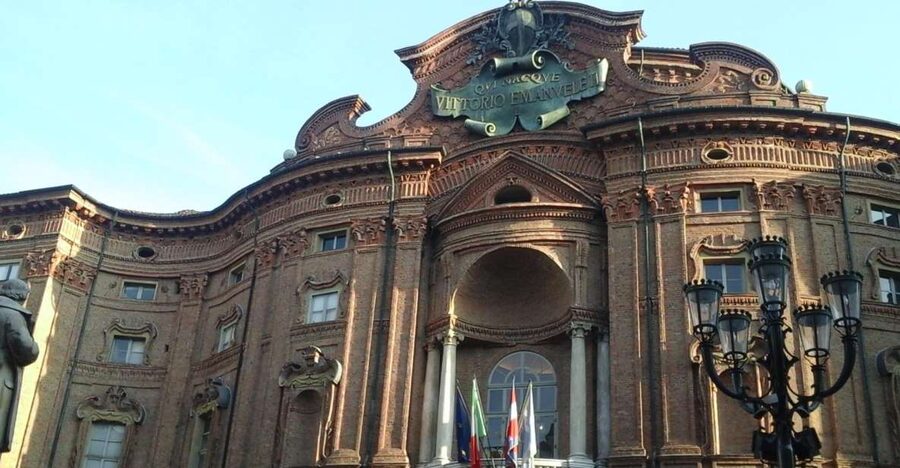
You’ll also see the palazzo where King Vittorio Emanuele II was born. It’s a smart stop because it gives you a personal anchor inside the larger political story. Instead of only hearing about rulership in the abstract, you connect a real historical figure to a specific building footprint and location.
Possible drawback: this area involves short walks through open squares where wind can matter, especially in cooler months. If you run cold, pack a light layer even if the forecast looks mild.
The espresso stop and giandujotti: your Turin moment
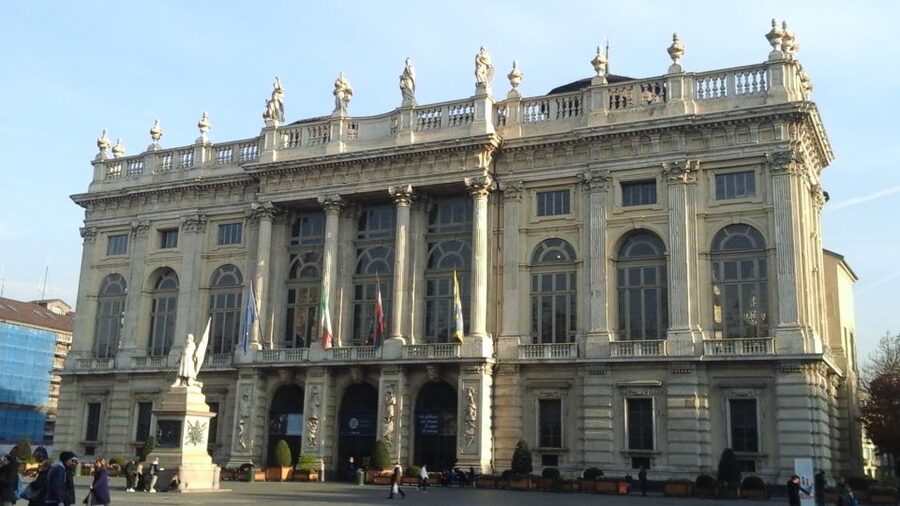
Halfway through the experience, you stop for an Italian espresso, accompanied by giandujotti—Turin’s famous walnut chocolates. This is one of the most practical parts of the tour, because it keeps your energy up while reinforcing the city’s food identity.
It also works as a pacing tool. Walking tours can be “constant looking,” and constant looking makes everything blur. The break gives you a reset: sit, taste something local, and then re-enter the sights with fresher eyes.
If you’re chocolate-leaning, this is your moment. Giandujotti are a signature, and the espresso pairing is classic Italian rhythm: small, focused, and meant to be enjoyed slowly.
Tip for the smoothest experience: drink your espresso, eat your giandujotto, then use that calm minute to think about what you just saw. You’ll connect the political and architectural stories faster once your brain has a chance to organize them.
Quadrilatero Romano: feeling the Roman grid underfoot
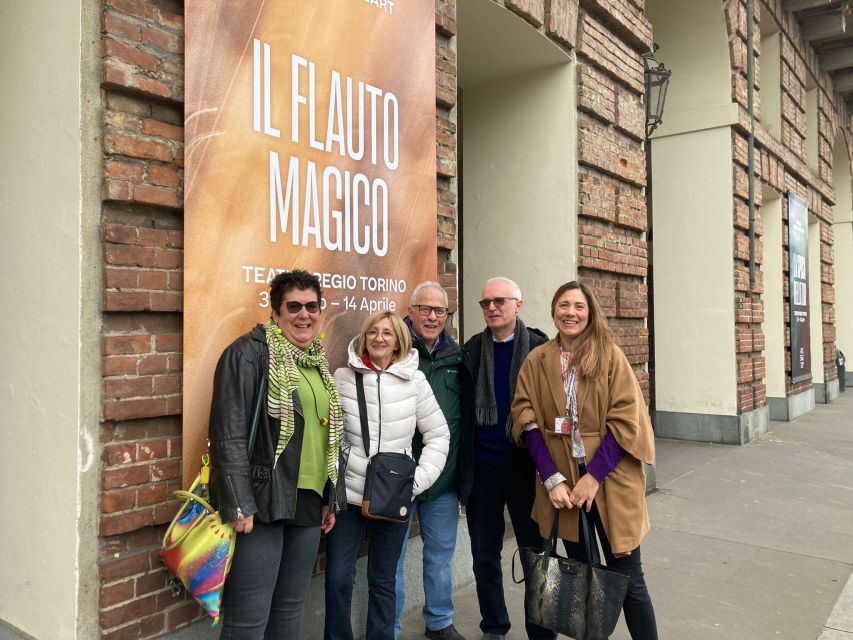
Later, you explore the Quadrilatero Romano, where the original Roman grid-like plan is most evident. This stop is valuable because it turns “old city” into something you can actually map mentally. You start to see how Turin’s later buildings fit into an older urban logic.
This is also where the experience can feel more spontaneous. Streets and corners here tend to encourage you to look around rather than stare only at the biggest landmark. A good guide usually helps you notice what makes the Roman layout distinct—street angles, alignments, and the way the blocks shape movement.
If you like cities that reward attention to detail, this is the section that gives you that payoff. It’s not just sightseeing; it’s pattern recognition, made easy.
Small-group guiding: the real value
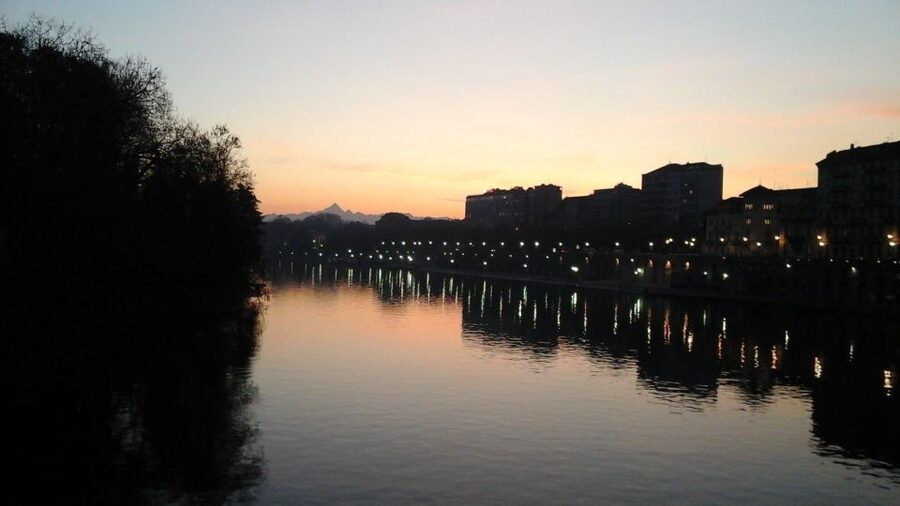
The most consistent praise connected to this type of tour is simple: the guide makes the city make sense. In the recent experiences tied to this tour, guides have a reputation for being friendly and for sharing plenty of historical information without turning it into a lecture.
One reason that matters is the flexibility. When interest pops up—whether it’s architecture, a specific figure, or how different palaces connect—the guide can adjust. You’ll often get more explanation than you’d manage on your own, especially when the route allows for quick sidetracks into less obvious corners.
This also helps if you’re traveling with mixed interests. Someone might love the cathedral story, while someone else cares most about the baroque squares. A small group makes it easier for the guide to satisfy more than one kind of curiosity.
Who should book this Turin walking tour
This is a strong fit if you want:
- A concentrated classic route across major Turin landmarks without long transfers
- A chance to learn what you’re seeing at Piazza San Carlo, the royal palaces, and the Duomo/Shroud stop
- A food moment built in (espresso and giandujotti) instead of forcing you to hunt mid-day
You might choose differently if you want:
- A long, slow museum-style pacing (this is still a walking tour format)
- A tour that ignores practical details like dress code. The no-shorts/no-sleeveless rule is real.
Quick planning tips so the day feels easy
- Wear comfortable shoes. You’ll be on foot for a few hours in old streets and squares.
- Bring a layer. Open squares can feel colder than you expect.
- Dress for the rules: no shorts, no sleeveless shirts.
- If you need exact meeting logistics, note that the meeting point can be changed on request.
Also, if you’re sensitive to group size, you’ll like this cap of 10 people. It keeps the experience personal without feeling like a private tour price tag.
Should you book it?
I’d book this tour if you’re visiting Turin for the first time or if you want one organized walk that covers the city’s major “why it looks like this” highlights. The standout strengths are the walkable pairing of royal palaces, Piazza San Carlo, and the Duomo Shroud stop, plus the fact that you get guided context along the way—not just locations.
If you’re comfortable walking and you’re willing to follow the dress code, this is a good value way to see a lot while still feeling human-scale. It’s the kind of tour that helps you leave Turin with a mental map, not just photos.
FAQ
How long is the Turin classic walking tour?
The duration is 3 hours (listed as up to a 2.5-hour classic walking tour), depending on the session timing.
Where does the tour start?
The meeting point is Piazza Castello. The meeting point can also be changed on request.
What major sights are included?
You’ll visit key central sights including Palazzo Madama, Palazzo Reale, the Duomo (where the Turin Shroud is kept inside), Piazza San Carlo, Piazza Carignano, and the Quadrilatero Romano.
Do you get a food stop?
Yes. You’ll stop for an Italian espresso with giandujotti (Turin’s walnut chocolates).
Is the tour wheelchair accessible?
Yes, the tour is wheelchair accessible.
How big is the group?
It’s a small group limited to 10 participants.
What should I wear?
Shorts and sleeveless shirts are not allowed. Plan clothing that fits these restrictions.
More Tours in Turin
- Turin: Guided Egyptian Museum Tour★ 4.7 · 1,573 reviews
- Turin: Magic Guided Tour★ 4.6 · 1,447 reviews
- Turin: Egyptian Museum Small Group Skip-the-Line Guided Tour★ 4.8 · 1,332 reviews
- Turin: Hop-on Hop-off Bus Tour with 24 or 48-Hour Ticket★ 4.2 · 941 reviews
- Turin: Small-Group Walking Tour of Top City Highlights★ 4.8 · 839 reviews
- Turin: Juventus Museum entry ticket & Stadium Tour★ 4.4 · 561 reviews
More Tour Reviews in Turin
- Turin: Torino+Piemonte 2-Day City Card★ 4.6 · 1,837 reviews
- Turin: Guided Egyptian Museum Tour★ 4.7 · 1,573 reviews
- Turin: Magic Guided Tour★ 4.6 · 1,447 reviews
- Turin: Turin & Piedmont 3-Day City Card★ 4.7 · 1,434 reviews
- Turin: Egyptian Museum Small Group Skip-the-Line Guided Tour★ 4.8 · 1,332 reviews
- Turin: Hop-on Hop-off Bus Tour with 24 or 48-Hour Ticket★ 4.2 · 941 reviews
More Turin Walks along the Porticoes
- Turin: Small-Group Walking Tour of Top City Highlights★ 4.8 · 839 reviews
- Turin: City Highlights Guided E-Bike Tour★ 4.9 · 218 reviews
- UNUSUAL and hidden Turin for curious people★ 5.0 · 212 reviews
- Turin Noir: The Darkest Walking Tour★ 4.7 · 196 reviews
- Highlights and hidden gems of Turin Bike Tour★ 5.0 · 152 reviews
- Turin: Highlights and Hidden Gems Guided Bike Tour★ 4.9 · 126 reviews
Not sure yet? Here are more Turin tours and Piedmont escapes we have written up
Turin Walking & Sightseeing Tours, compared.
 ★ 4.8Small-Group Walking Tour of Top City HighlightsFrom $45839 reviews
 ★ 4.9City Highlights Guided E-Bike TourFrom $40218 reviews
 ★ 5.0UNUSUAL and hidden Turin for curious peopleFrom $162212 reviews
 ★ 4.7Turin Noir: The Darkest Walking TourFrom $37196 reviews
 ★ 5.0Highlights and hidden gems of Turin Bike TourFrom $47152 reviews
 ★ 4.9Highlights and Hidden Gems Guided Bike TourFrom $46126 reviews
 ★ 4.5Private custom tour with a local guideFrom $53124 reviews
 ★ 4.7Turin Express Walking TourFrom $113115 reviews
Browse the lists this tour appears in