
Reviewed · TURIN FOOD & GOURMET TOURS
Turin: 3-Hour Gastronomy Tour
Turin tastes better with a guide. This 3-hour gastronomy walking tour turns Piedmont food legends into real stops, with five dish samples and an expert explanation as you go.
I especially like how the guide connects each course to Turin and Piedmont history, the kind of storytelling that makes the menu feel like a map. In the best moments, guides like Laura and Lara explain why these dishes exist, not just how they’re made. I also love the specific picks: gianduiotto and bicerin are great examples of desserts and drinks that taste good and carry a story.
The main thing to consider is the pacing: it’s a 3-hour walk through the historic center, so you’ll want comfortable shoes and a willingness to eat on the tour schedule rather than at your own pace.
In This Review
- Key highlights to look for
- Why Turin’s Piedmont food stories start in the historic center
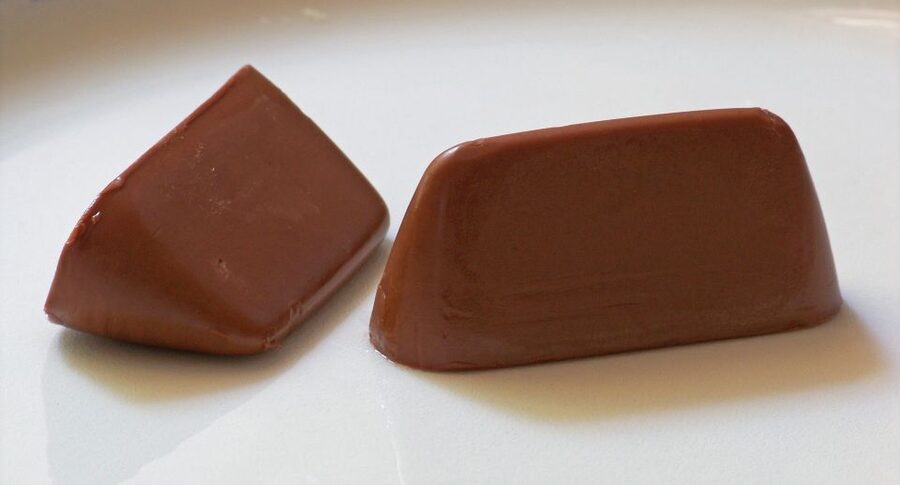
- Gianduiotto: the Turin chocolate with a hazelnut backstory
- Bicerin: what you’re drinking and why it matters
- Vitel tonnè and the anchovy-salt tradeoff
- Cheese sampling with DOP status: what to pay attention to
- The 3-hour walk: timing, energy, and comfort
- Languages, guide style, and who this tour fits best
- Price and value: what $129.14 buys you
- Should you book this Turin gastronomy tour?
- FAQ
- How long is the Turin 3-Hour Gastronomy Tour?
- Where does the tour start and end?
- What’s included in the price?
- What foods and drinks will I sample?
- Is this tour available in languages other than English?
- Is the tour wheelchair accessible?
- Do I need hotel pickup or drop-off?
- What should I bring?
- Is there free cancellation?
Key highlights to look for
- Five tastings in one compact circuit that covers both sweet and savory Piedmont favorites
- Gianduiotto lore tied to hazelnuts and an old cocoa shortage story
- Bicerin served as a non-alcoholic layered-style drink with coffee, chocolate, and milk cream
- Vitel tonnè with anchovy history, plus a glass of wine
- Cheese sampling with DOP status, so you can focus on quality and origin
- Expert guide storytelling that makes the dishes make sense, not just taste nice
Why Turin’s Piedmont food stories start in the historic center
This tour begins in Turin’s historic center, where the narrow streets and old city layout do more than look pretty. They set the stage for why these foods matter. Piedmont cuisine isn’t just about flavor. It’s about what people could afford, what ingredients were available nearby, and how local traditions formed over time.
I like tours like this because you get context while your senses are already engaged. The guide’s explanations land better when you’re standing where the food culture developed. You’re not stuck reading trivia; you’re tasting something while the story connects the dots.
You also get a simple structure: a guided stroll, then tastings that build from sweet to savory (and back again in spirit). That matters in a city like Turin, where it’s easy to eat well but miss what makes the local menu distinct.
Gianduiotto: the Turin chocolate with a hazelnut backstory
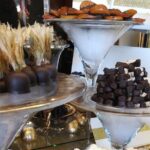
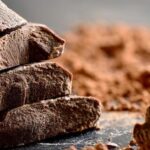
Gianduiotto is the starting point for your sweet journey, and it’s an excellent choice for first bites. These are classic Turin chocolates, often shaped like little ingots, and what makes them interesting is the origin story. The legend you’ll hear goes back to a continental blockade during Napoleon’s time, when cocoa was treated like a luxury. With cocoa limited, chocolatiers in the region leaned more heavily on hazelnuts, which were abundant in the Piedmont hills.
What you’ll actually notice during the tasting is that this isn’t “just chocolate.” It’s chocolate with a local ingredient identity baked in. Hazelnuts are a signature ingredient in Piedmont, and tasting gianduiotto early helps you understand why later dishes and desserts feel cohesive.
Also, this is one of those stops where the guide’s explanation helps your palate. If you know the hazelnut history, you’re more likely to pick up the nut-forward character instead of expecting a purely cocoa-heavy sweetness.
More Turin food and gourmet tables worth the seat
Bicerin: what you’re drinking and why it matters
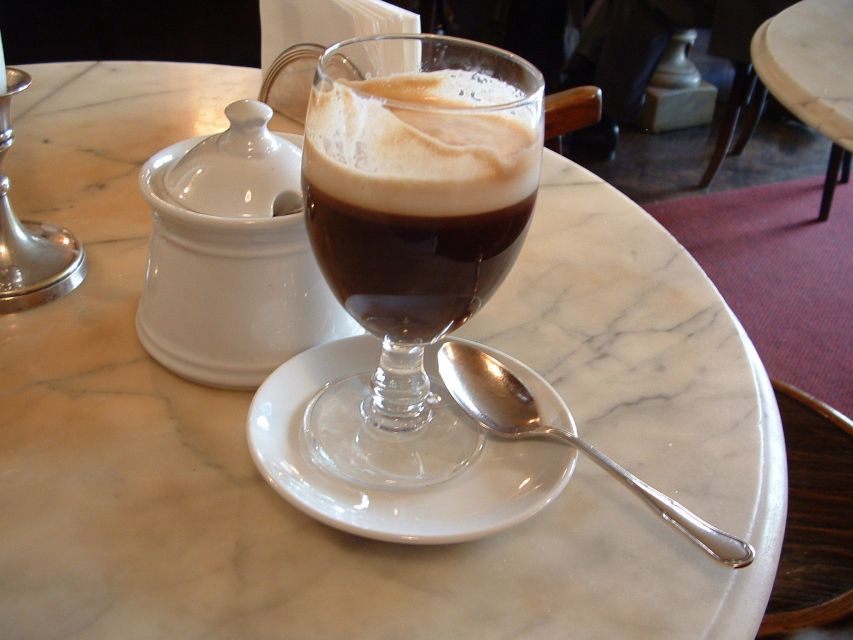
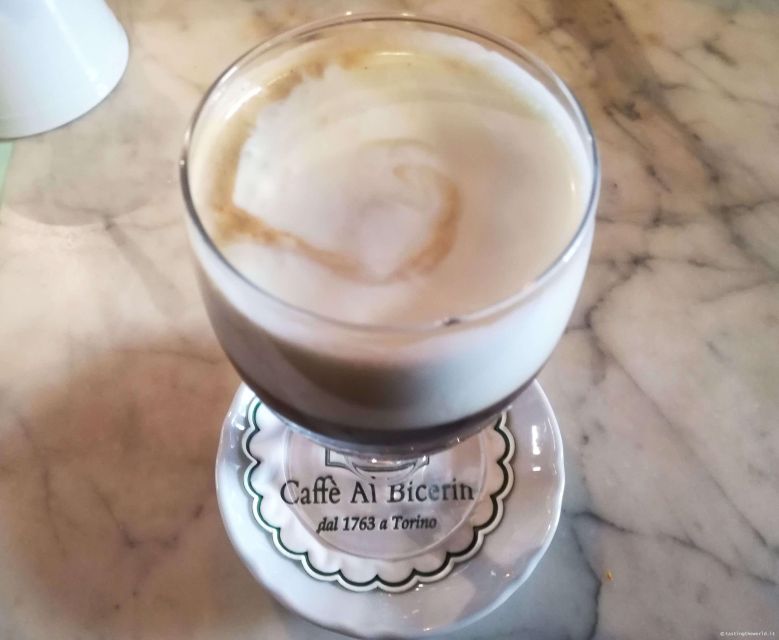
Next comes bicerin, which in Piedmont means glass. That name is practical: this drink is served in round, transparent glasses. It’s also the kind of local order that can trip you up if you just show up on your own, because the terms don’t translate smoothly.
Bicerin is non-alcoholic, and the version you’ll sample ties together coffee, chocolate, and milk cream. It’s also linked to another older drink called bavareisa from the 18th century, so the flavors you’re tasting have a long lineage, not just modern “coffee-shop” vibes.
Here’s why this stop is worth it on a walking tour: you get to taste the drink in a proper local style while someone explains what it is and how it connects historically. Without that, you might see it as a fancy coffee and move on. With the story, it becomes a Turin specialty you can actually remember.
Vitel tonnè and the anchovy-salt tradeoff
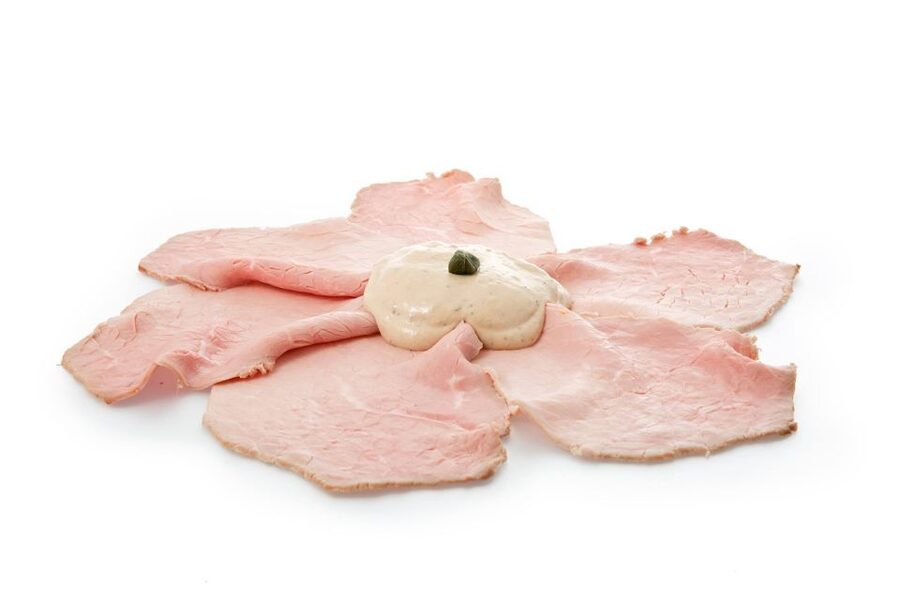
After the sweet stops, the tour moves into savory territory with vitel tonnè, served with a glass of wine. The guide will explain the name: it comes from the Piedmontese dialect and refers to a meat dish topped with an anchovy sauce.
The origins are described as mysterious, which is refreshingly honest. But you do get a useful historical clue about why anchovies mattered. Anchovies from nearby Liguria were widely used as an alternative to salt. In the Middle Ages, salt could be prohibitively expensive, so people relied on other salty-tasting ingredients to get flavor into food.
For you as a eater, this changes how you perceive the dish. You stop thinking of anchovy sauce as purely a strong flavor choice and start viewing it as a practical solution. It also makes the taste of the anchovy sauce feel less like a culinary gamble and more like part of a long local adaptation.
And pairing it with wine is practical: it rounds out the tasting portion so you don’t just keep eating sweets and drinks back-to-back. It helps reset your palate so the later cheese stop lands.
- Turin: Torino+Piemonte 2-Day City Card
★ 4.6 · 1,837 reviews - Turin: Guided Egyptian Museum Tour
★ 4.7 · 1,573 reviews - Turin: Magic Guided Tour
★ 4.6 · 1,447 reviews - Turin: Turin & Piedmont 3-Day City Card
★ 4.7 · 1,434 reviews
Cheese sampling with DOP status: what to pay attention to
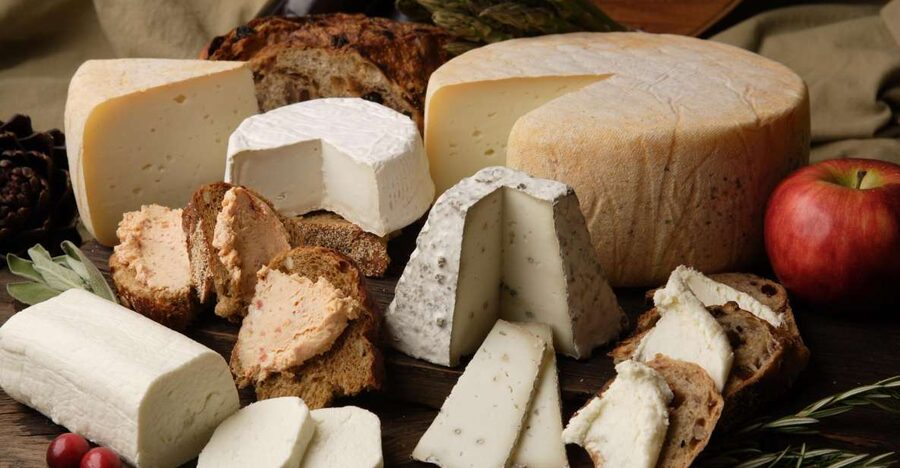
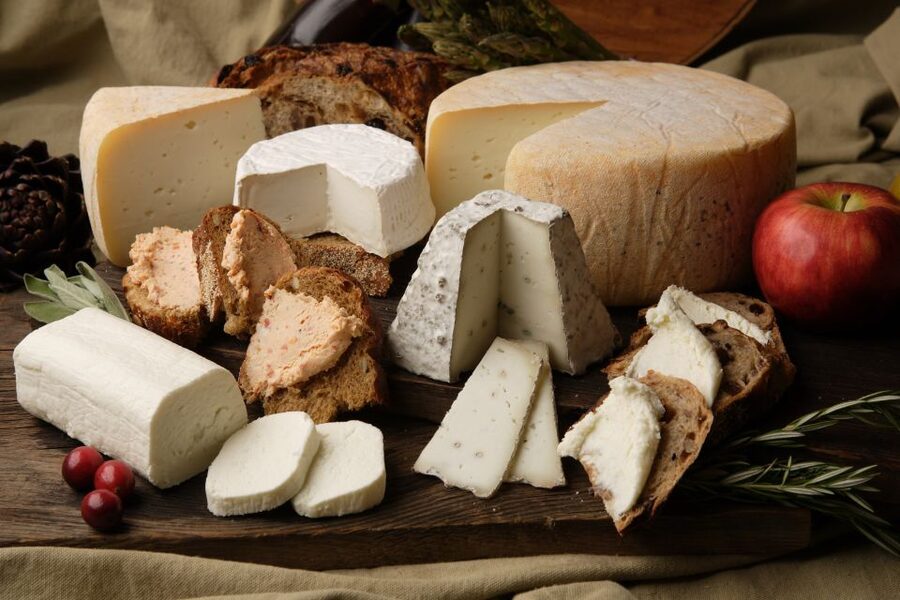
One of the best parts of this tour is the cheese section, because it’s not random. You’ll sample an array of local cheeses, and many of them have protected designation of origin (DOP) status.
I like when a tour includes cheeses with a clear origin label. Without that, cheese tastings can become a guessing game: “Was this special, or did someone just pick whatever?” Here, the DOP mention tells you the tour is aiming at recognized local products.
What to focus on during this stop:
- How the flavors shift from cheese to cheese (not just “salty” or “creamy”)
- Whether the cheeses feel nutty, tangy, or more mellow
- How your palate changes after the earlier meat and wine stop
This is also a good moment to ask the guide questions if you’re the curious type. Cheese is one of those foods where a few words about origin and style can help you buy smarter later.
And for anyone who worries they don’t know enough about cheese: you’re not expected to be an expert. The point is tasting and learning what Piedmont does differently, not passing a test.
The 3-hour walk: timing, energy, and comfort
This tour is 3 hours, and it runs with starting times you’ll need to check for your date. It’s designed as a paced walk through the historic center, with the tastings built into the route.
The main practical takeaway is straightforward: plan for time on your feet. You’ll want comfortable shoes, especially on cobblestones or uneven historic-street surfaces. You’ll also want to go in hungry enough to enjoy five samples, but not so hungry that you feel desperate by the last bite. The tour’s order (sweet first, then savory, then cheese) usually works well for most people’s appetites.
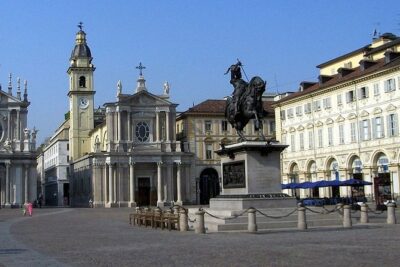
Meeting point is at a statue in the center of the square, and the tour ends back at the meeting spot. That loop matters because it keeps logistics simple. After three hours, you’re close to where you started, not stranded across town.
Languages, guide style, and who this tour fits best
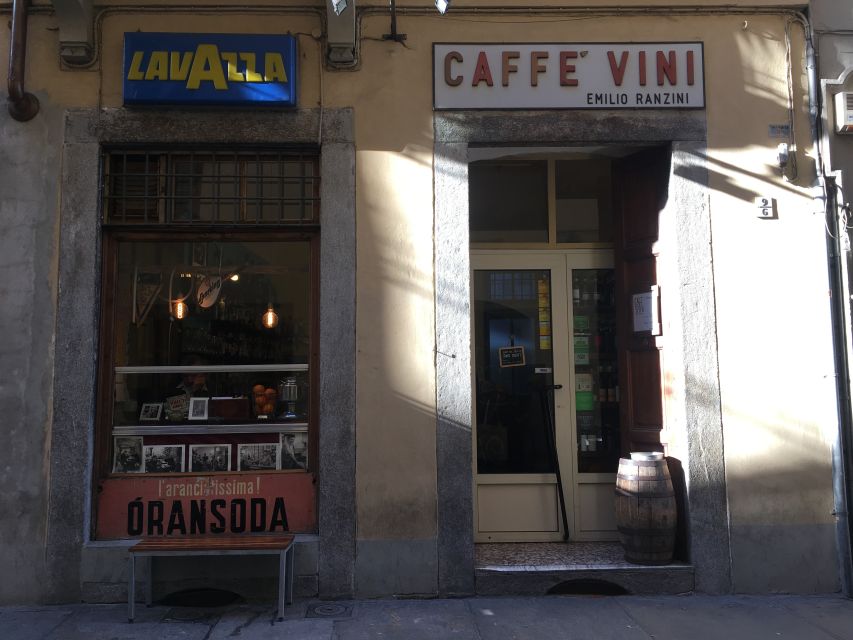
The guide is available in English, Spanish, Italian, and French, which is a big plus if you’re not traveling solo or your group mixes languages. A live guide is also the key ingredient here. Food tours that rely on printed cards can feel scripted. This one leans on a real person connecting the dish to Turin and Piedmont culture as you walk.
Based on the strongest themes from guide feedback, the best tours are the ones where the guide is passionate and able to show hidden corners with good food explanations. Guides like Laura and Lara are praised for that exact blend: history plus food, without turning the talk into a lecture.
Who will enjoy this most:
- Food lovers who like context, not just eating
- First-time visitors to Turin who want an efficient intro
- People who enjoy Piedmont specialties like hazelnut chocolate, coffee-chocolate drinks, anchovy sauce dishes, and local cheese
If you prefer a more independent food crawl where you can wander off-script, this may feel structured. But if you want a focused taste-and-learn route in limited time, it’s a strong fit.
Price and value: what $129.14 buys you
At $129.14 per person for a 3-hour guided walk with five traditional tastings, you’re paying for three things at once: the food samples, the local guide, and the time it saves you from figuring out where to go and what to order.
Is it cheap? No. But I think it’s fair value if you:
- want guided storytelling (so you understand what you’re eating),
- want five Piedmont classics in one run,
- and don’t want to spend half your day researching menus.
If you’re only looking for casual snacks and don’t care about history or local explanation, you might find cheaper options. But if you like learning why food tastes the way it does in a specific place, this price starts to make sense fast.
Should you book this Turin gastronomy tour?
I’d book it if you want a practical introduction to Turin that feels local, not tour-bus generic. The dish lineup is smart: gianduiotto, bicerin, vitel tonnè with wine, and a cheese stop with DOP cheeses gives you a balanced sampling of what Piedmont does best. The best part is the guide’s ability to tie the flavors to real historical reasons, like hazelnuts stepping in when cocoa was scarce and anchovies replacing costly salt.
Skip it only if you hate guided structure or you’re not interested in the stories behind the food. Also, bring those comfortable shoes, because three hours of walking is the tradeoff for fitting so much into one route.
FAQ
How long is the Turin 3-Hour Gastronomy Tour?
It lasts 3 hours. Starting times vary by availability.
Where does the tour start and end?
You meet your guide at the statue in the center of the square, and the tour ends back at the meeting point.
What’s included in the price?
The tour includes samples of 5 traditional dishes and a local guide.
What foods and drinks will I sample?
You’ll sample gianduiotto, bicerin, vitel tonnè (with a glass of wine), and an array of local cheeses. The tour also includes other Piedmont flavors tied to these stops.
Is this tour available in languages other than English?
Yes. The live guide is available in English, Spanish, Italian, and French.
Is the tour wheelchair accessible?
Yes, it is listed as wheelchair accessible.
Do I need hotel pickup or drop-off?
No. Hotel pickup and drop-off are not included.
What should I bring?
Wear comfortable shoes, since this is a walking tour.
Is there free cancellation?
The tour offers free cancellation up to 24 hours in advance for a full refund.
More Tours in Turin
- Turin: Guided Egyptian Museum Tour★ 4.7 · 1,573 reviews
- Turin: Magic Guided Tour★ 4.6 · 1,447 reviews
- Turin: Egyptian Museum Small Group Skip-the-Line Guided Tour★ 4.8 · 1,332 reviews
- Turin: Hop-on Hop-off Bus Tour with 24 or 48-Hour Ticket★ 4.2 · 941 reviews
- Turin: Small-Group Walking Tour of Top City Highlights★ 4.8 · 839 reviews
- Turin: Juventus Museum entry ticket & Stadium Tour★ 4.4 · 561 reviews
More Tour Reviews in Turin
- Turin: Torino+Piemonte 2-Day City Card★ 4.6 · 1,837 reviews
- Turin: Guided Egyptian Museum Tour★ 4.7 · 1,573 reviews
- Turin: Magic Guided Tour★ 4.6 · 1,447 reviews
- Turin: Turin & Piedmont 3-Day City Card★ 4.7 · 1,434 reviews
- Turin: Egyptian Museum Small Group Skip-the-Line Guided Tour★ 4.8 · 1,332 reviews
- Turin: Hop-on Hop-off Bus Tour with 24 or 48-Hour Ticket★ 4.2 · 941 reviews
More Turin Food and Gourmet Tables
- StreetFood D’Luxe Experience: Tastes of Turin | Semi-Private★ 5.0 · 371 reviews
- Turin Gourmet Tour: A Premium Tasting Experience by Do Eat Better★ 5.0 · 144 reviews
- Turin: Gourmet Food Tour★ 4.9 · 73 reviews
- Turin: Aperitivo & Street Food Tour Delights with a Local★ 4.9 · 46 reviews
- Wine Tasting near Royal Palace of Turin with Food Platter★ 4.7 · 39 reviews
- Tasty Turin: food walking tour with tastings★ 4.7 · 19 reviews
Not sure yet? Here are more Turin tours and Piedmont escapes we have written up
Turin Food & Gourmet Tours, compared.
 ★ 5.0StreetFood D’Luxe Experience: Tastes of Turin | Semi-PrivateFrom $143371 reviews
 ★ 5.0Turin Gourmet Tour: A Premium Tasting Experience by Do Eat BetterFrom $91144 reviews
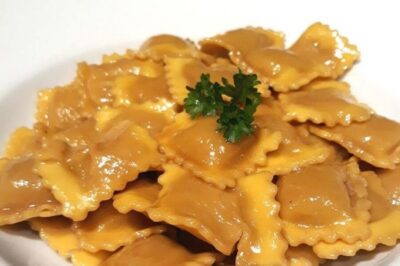 ★ 4.9Gourmet Food TourFrom $11373 reviews
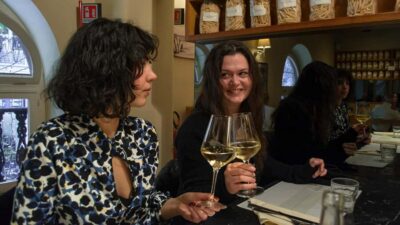 ★ 4.9Aperitivo & Street Food Tour Delights with a Local46 reviews
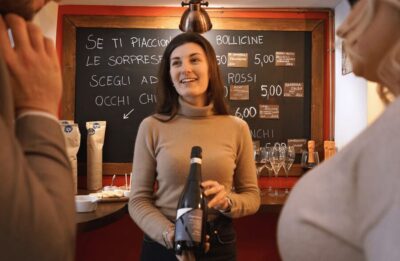 ★ 4.7Wine Tasting near Royal Palace of Turin with Food PlatterFrom $5339 reviews
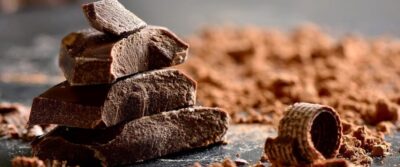 ★ 4.7Tasty Turin: food walking tour with tastingsFrom $4619 reviews
 ★ 4.5Turin Street Food Tour for Small Groups by CesarineFrom $1177 reviews
 ★ 4.0Small-group Street food tour in AstiFrom $1054 reviews
Browse the lists this tour appears in