
Reviewed · BAROLO & BARBARESCO WINE TOURS
Barbaresco and Barolo Tasting at Cantina Francone
You get a focused walk through Piedmont wine, not a rushed sales pitch. At Cantina Francone in Neive (in the Langhe hills near Barbaresco), you’ll pair Barbaresco and Barolo with a short museum stop and cellar-room visits that explain how the winery thinks.
What I like most is how they tie the wine to the vineyard: different parcels, soil focus, and careful vinification choices you can actually notice in the glass. I also like the small-group feel (up to 20), plus the fact that the tasting is in English and runs about 1 hour 30 minutes.
One thing to consider: the tour doesn’t include private transportation, so you’ll want to plan how you’ll reach the meeting point in Neive without stress.
In This Review
- Key moments worth your attention
- Neive and the Langhe: why this setting matters
- Inside Cantina Francone: a small museum first
- The wine style they teach you: respect for vineyards, natural choices
- Classic Sparkling Wine Room: a cool warm-up
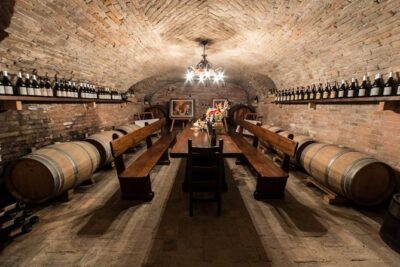
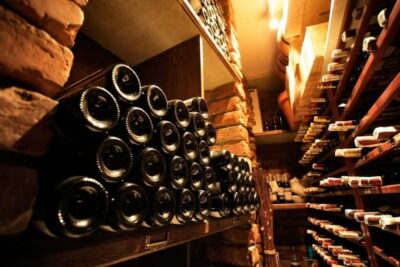
- Red wine ageing room: where patience becomes part of flavor
- Barbaresco and Barolo tasting: what to look for
- Meet the family: why the human touch boosts the value
- Value: $60.07 for a 90-minute cellar and cellar-story package
- Who should book this tasting at Cantina Francone
- Practical notes that help you enjoy it more
- Should you book Cantina Francone’s Barbaresco and Barolo tasting?
- FAQ
- How long is the Cantina Francone Barbaresco and Barolo tasting?
- What’s the price per person?
- Is the tour in English?
- What is included in the tasting?
- How big is the group?
- Where does the tour start?
Key moments worth your attention
- Neive in the Langhe (UNESCO area): a setting that makes “why this wine tastes like this” feel real.
- Small family museum visit: a quick history-and-identity stop before the wine.
- Classic Sparkling Wine Room + red-aging rooms: you see different parts of the cellar system.
- Barbaresco and Barolo focus: the tasting menu centers on the big names, not just a generic sampler.
- Low-sulphite approach and skin contact choices: details that help you understand style, not just flavors.
- Meet the people behind the bottles: guides in the reviews include Valerie and Fabrizio, and the visit can include time with the family operators.
Neive and the Langhe: why this setting matters
If you care about wine, you know the truth: the bottle is only half the story. Here, the other half is the Langhe hills—the kind of place where vineyards aren’t an afterthought. Cantina Francone traces its roots to Neive, a UNESCO heritage area, and the winery’s philosophy is built around that proximity to the land.
That matters for you because it changes how you listen during the tour. Instead of hearing a generic “this is our process,” you’ll hear why they select vines and even separate vineyards based on soil and growing conditions. When a guide explains that the goal is improvement every year, it becomes easier to connect what you taste to what you see nearby.
Also, the area is described as being a short walk from Barbaresco. You’ll likely feel like you’re doing something more “local” than just visiting an anonymous tasting room.
Inside Cantina Francone: a small museum first
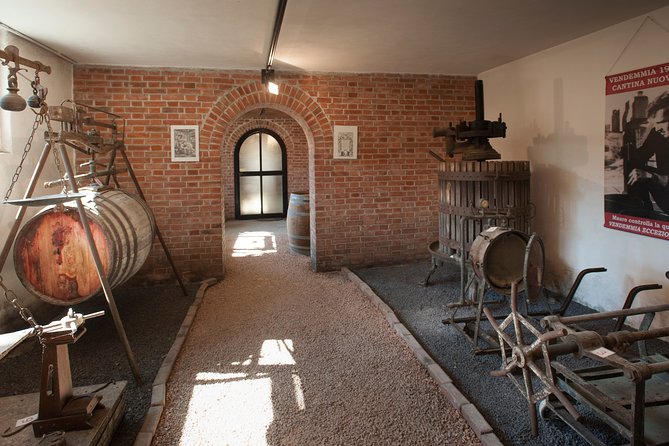
The experience starts with a guided visit in the winery’s small family museum. This is a smart setup. It gives you context before you’re handed pours and told to judge aromas.
In that museum time, the emphasis is on the winery’s identity: a family operation tied to Neive and built on a practice of choosing vines carefully and treating parcels differently. The idea of “tailor-made” range—where labels can be in limited quantities—also comes through. That’s a helpful detail for your expectations. You’re not going to get a massive factory-style lineup. You’re going to get a smaller selection focused on what they’re proud of right now.
If you’re the type who likes to understand what makes a winery’s decisions consistent across vintages, this part of the visit helps. It also keeps the whole thing from feeling like a stand-and-sip event.
More Barolo and Barbaresco cellar days south of Turin
The wine style they teach you: respect for vineyards, natural choices
During the tour, the winery’s approach is explained in plain terms, and it’s worth paying attention because it affects the glass.
Here are the big ideas they highlight:
- They practice respect for the vineyards, including cultivation on the Gallina hill using integrated agriculture methods.
- For vinification, they use a technique described as fermentation with a long pause on the skins, which can shape tannin feel and flavor extraction.
- For naturalness, some wines are bottled with a sulphite content 60% lower than the permitted limit.
You don’t need a chemistry degree to use this info. Just connect it to what you taste. Long skin contact often makes a wine feel more structured or textured—not always heavier, but more “there.” The lower sulphite approach is more about the overall handling philosophy; you’ll still taste the wine first, but you’ll understand why the winery talks about restraint and naturalness.
This is one of the reasons the reviews feel strongly positive about both the guide and the wines. When the explanation matches the bottle, it lands.
Classic Sparkling Wine Room: a cool warm-up
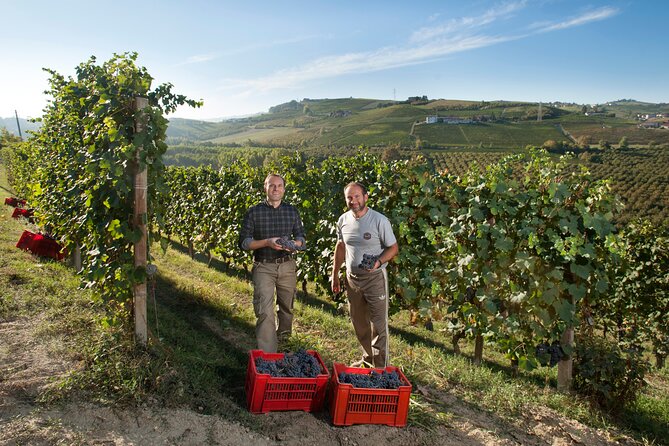
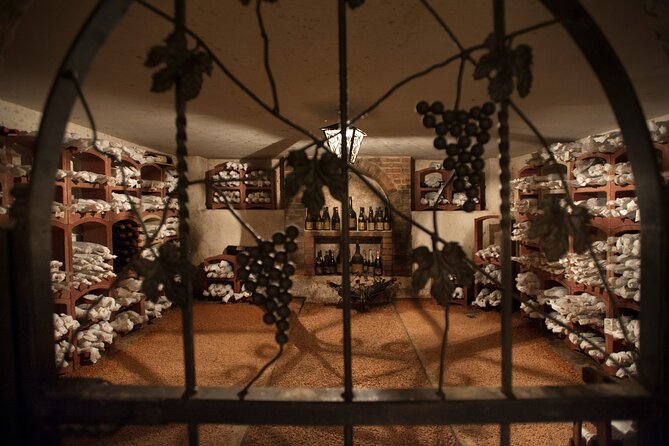
Before you jump into reds, you visit the Classic Sparkling Wine Room. This stop matters even if your heart is fully in Barolo and Barbaresco territory.
Why? It helps you reset your palate and pay attention to how the winery thinks across wine types. Even if the tasting menu you’re signing up for centers on Barbaresco and Barolo, the cellar tour gives you a broader picture of the winery’s production world.
Think of it as a guided palate warm-up plus a peek at how they manage craft beyond the headline labels. It also breaks up the visit so you don’t feel stuck in one room for the entire 90 minutes.
More Turin food counters and aperitivo tables
- Abellonio Cascina Piccaluga – visit to the vineyards, to the wine tasting cellar
★ 5.0 · 237 reviews - Turin Gourmet Tour: A Premium Tasting Experience by Do Eat Better
★ 5.0 · 144 reviews - Turin: Casa Martini Tour with Tasting
★ 4.6 · 135 reviews - Piedmont Winery Tour: Taste Barolo, Barbaresco & Traditional Food
★ 4.5 · 110 reviews
Red wine ageing room: where patience becomes part of flavor
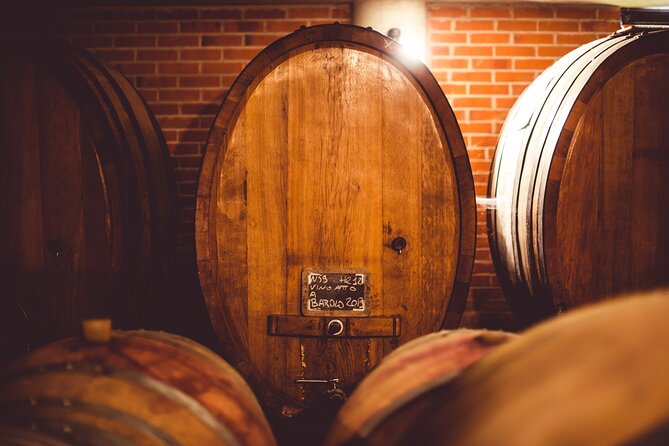
Then you head to the red wine ageing room. This is where a good guide earns their keep. If you’re lucky, you’ll get an explanation that links aging to style in a way that actually helps you taste later.
Aging doesn’t just change the wine. It changes your experience of it—how tannins show up, how the aromas evolve, and whether the wine feels more polished or still slightly tight. Even if you don’t get a long lecture, seeing an aging space makes the idea of time feel real.
And because the tasting is Barbaresco and Barolo, this stop is closely connected to what you’ll evaluate in your glass. You’ll likely notice that the guide’s explanation sets up a tasting mindset: look for structure, look for balance, and pay attention to how the wine holds together as it breathes.
Barbaresco and Barolo tasting: what to look for
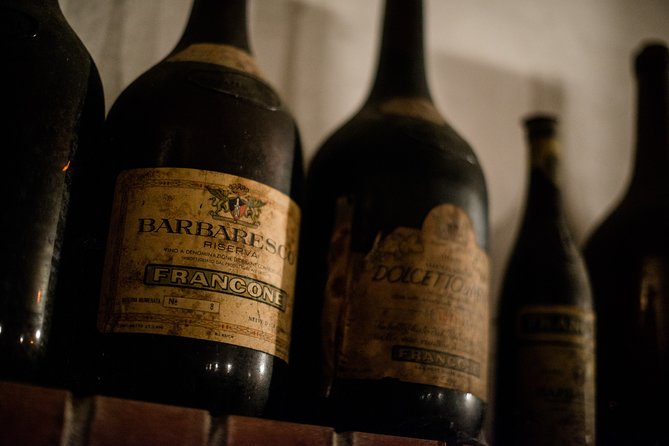
This is the heart of the experience. The sample menu is simple and focused: Barbaresco and Barolo. You’ll also get bottled water and breadsticks, which is a practical pairing. It keeps you comfortable while you compare wines without feeling wrecked or rushed.
Here’s how to get more out of your tasting, even if you’re not a hardcore wine judge:
- Compare texture first. Barbaresco often feels more harmonious in the middle, while Barolo can come across with more firm structure. Don’t worry about exact rules—just notice the feel.
- Smell in layers. Take a slow sniff, then a second one after you’ve swallowed or let the wine settle. If the guide mentioned skin-contact or handling choices earlier, you may find those details show up as differences in grip and aroma shape.
- Sip, wait, then evaluate. Your palate adapts fast. Give yourself a few moments between tastings so you’re tasting differences, not just a blur of red flavors.
Also, the reviews mention that the hosts spoke about their broader Piedmont range, with references to wines such as Nascetta (Leonina). Even if Nascetta isn’t part of the tasting you booked, you might still hear about it during conversation or when the guide talks about the winery’s specialties. That’s a bonus if you like learning what to buy next.
Meet the family: why the human touch boosts the value
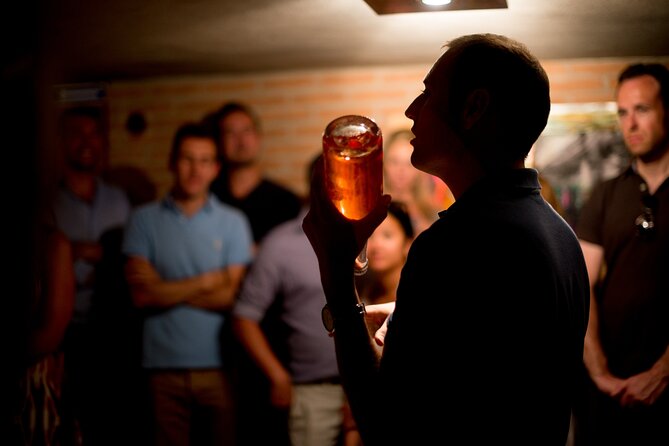
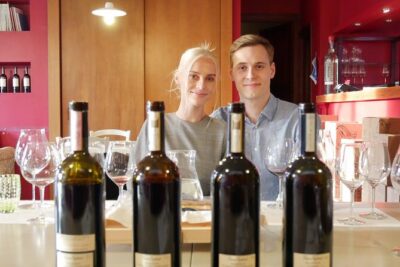
One theme in the strongest reviews is the people. In particular, you may meet and talk with the family operators—names that come up include Valerie and Fabrizio. Another review notes meeting both brothers who own and operate the winery.
That matters because the best wine tours don’t feel like scripted lines. They feel like a real conversation where the guide can answer your questions and adjust based on what you care about. When you’re asking about vineyard differences, or why one wine is handled a certain way, having someone who can speak to the choices makes the experience click.
You also get the feeling that they’re proud of the land and the process—not just trying to move bottles. One review even mentions ordering cases after the visit, which tells you the wines left a strong impression.
Value: $60.07 for a 90-minute cellar and cellar-story package
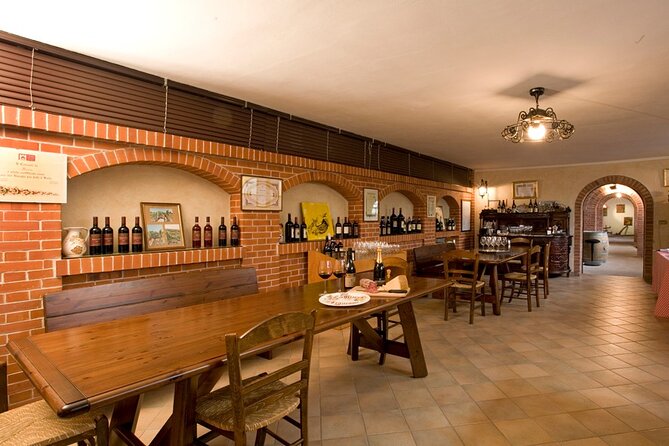
At $60.07 per person for about 1 hour 30 minutes, you’re paying for more than pours. Included in the visit are the guided tour in the small family museum, visits to the Classic Sparkling Wine Room and the red wine ageing room, alcoholic beverages, bottled water, and breadsticks.
For you, the value angle is this: you’re not just tasting. You’re also seeing production spaces and getting the “why” behind the wine approach. That usually costs more in bigger tourist-heavy regions.
Yes, private transportation isn’t included. That means your real value depends on how easy it is for you to get to Neive. If you already have a plan—car, organized local transfer, or another way—you’re set. If you don’t, you might find yourself spending time and money just to arrive. Still, the location is described as easy to reach, and the meeting point is clearly identified.
Who should book this tasting at Cantina Francone
This tour is a great fit if you want:
- A focused introduction to Barbaresco and Barolo without a full day commitment.
- A winery visit that actually explains vineyard choice and vinification style.
- A small-group pace where you can ask questions and still finish in time.
It also suits you if you’re traveling with wine friends who might be on different levels. The structure of the visit (museum, rooms, tasting) gives beginners context, while the production details give experienced tasters more hooks.
If you’re only interested in a long, high-volume sampling and don’t care about production spaces, you might prefer a bigger tasting format. But if you want a short, thoughtful, wine-and-places experience, this hits the sweet spot.
Practical notes that help you enjoy it more
A few small things make the visit smoother:
- Plan to arrive ready for a guided walk through winery spaces. Comfortable shoes help.
- Bring your curiosity. The winery’s philosophy is the main story, and the guide can likely tailor explanations to what you ask.
- Go into the tasting with a comparison mindset: texture, balance, and how the wine changes as it warms.
And if you want to take something home, keep in mind the visit emphasizes limited quantities and a “tailor-made” range. That can be a good thing. It means the winery is aiming for quality decisions rather than endless inventory.
Should you book Cantina Francone’s Barbaresco and Barolo tasting?
I’d book it if you want a compact, high-signal wine experience in Neive that connects cellar choices to what’s in the glass. The combination of museum time, the sparkling room stop, and the red ageing room visit gives you more than a basic tasting, and the focus on Barbaresco and Barolo keeps it coherent.
Pass or reconsider only if you can’t solve the transport piece to reach the meeting point comfortably, or if you prefer a longer tasting with lots of additional labels.
If you’re on the fence, this is the kind of tour that makes it easier to know what you’ll actually remember: the wines, the reasoning behind the style, and a family-run setting that feels close to the vines rather than far from them.
FAQ
How long is the Cantina Francone Barbaresco and Barolo tasting?
It lasts about 1 hour 30 minutes.
What’s the price per person?
The price is $60.07 per person.
Is the tour in English?
Yes, it’s offered in English.
What is included in the tasting?
Included are a guided tour in the small family museum, visits to the Classic Sparkling Wine Room and the red wine ageing room, alcoholic beverages, bottled water, and breadsticks.
How big is the group?
The tour has a maximum of 20 travelers.
Where does the tour start?
It starts at SP3, 45, 12052 Neive CN, Italy and ends back at the meeting point.
More Turin Food Counters and Aperitivo Tables
- Abellonio Cascina Piccaluga – visit to the vineyards, to the wine tasting cellar★ 5.0 · 237 reviews
- Turin Gourmet Tour: A Premium Tasting Experience by Do Eat Better★ 5.0 · 144 reviews
- Turin: Casa Martini Tour with Tasting★ 4.6 · 135 reviews
- Piedmont Winery Tour: Taste Barolo, Barbaresco & Traditional Food★ 4.5 · 110 reviews
- The Turin Chocolate Tasting Experience★ 4.7 · 83 reviews
- Turin: Gourmet Food Tour★ 4.9 · 73 reviews
More Tour Reviews in Turin
- Turin: Torino+Piemonte 2-Day City Card★ 4.6 · 1,837 reviews
- Turin: Guided Egyptian Museum Tour★ 4.7 · 1,573 reviews
- Turin: Magic Guided Tour★ 4.6 · 1,447 reviews
- Turin: Turin & Piedmont 3-Day City Card★ 4.7 · 1,434 reviews
- Turin: Egyptian Museum Small Group Skip-the-Line Guided Tour★ 4.8 · 1,332 reviews
- Turin: Hop-on Hop-off Bus Tour with 24 or 48-Hour Ticket★ 4.2 · 941 reviews
More Barolo and Barbaresco Cellar Days
- Piedmont Winery Tour: Taste Barolo, Barbaresco & Traditional Food★ 4.5 · 110 reviews
- Piedmont: Winery Tour, Taste Barolo, Barbaresco & Local Food★ 4.6 · 52 reviews
- Barolo Wine Tour★ 5.0 · 47 reviews
- Barolo&Barbaresco Wine Experience with a Local Winemaker / Milano★ 5.0 · 29 reviews
- Private Barolo Wine Tour with Winemaker★ 5.0 · 28 reviews
- Barolo & Barbaresco Wine Experience with a Local Winemaker / Alba★ 5.0 · 25 reviews
Not sure yet? Here are more Turin tours and Piedmont escapes we have written up
Barolo & Barbaresco Wine Tours, compared.
 ★ 4.5Piedmont Winery Tour: Taste Barolo, Barbaresco & Traditional FoodFrom $59110 reviews
 ★ 4.6Piedmont: Winery Tour, Taste Barolo, Barbaresco & Local FoodFrom $5552 reviews
 ★ 5.0Barolo Wine TourFrom $19847 reviews
 ★ 5.0Barolo&Barbaresco Wine Experience with a Local Winemaker / MilanoFrom $60029 reviews
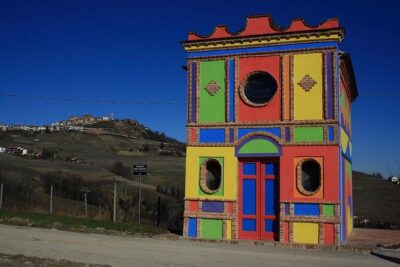 ★ 5.0Private Barolo Wine Tour with WinemakerFrom $42028 reviews
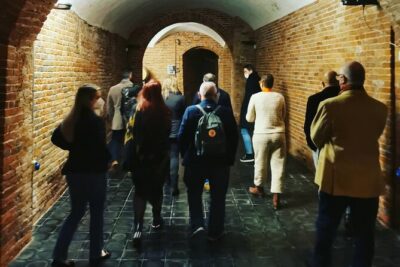 ★ 5.0Barolo & Barbaresco Wine Experience with a Local Winemaker / AlbaFrom $18025 reviews
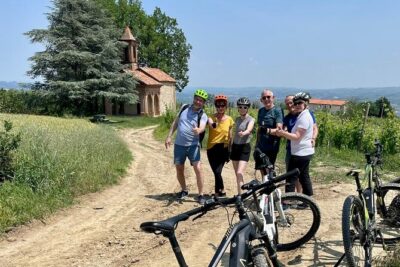 ★ 5.0“Langhe del Barolo” Private E-bike Tour – Asphalt and Dirt RoadFrom $12023 reviews
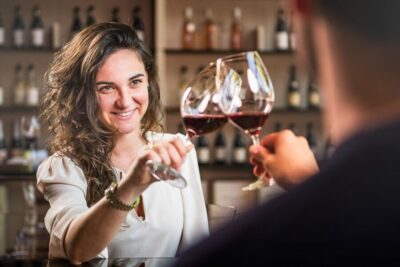 ★ 4.8The Madama: Wine tasting in La MorraFrom $4321 reviews
Browse the lists this tour appears in