
Reviewed · BAROLO & BARBARESCO WINE TOURS
Barolo & Barbaresco Wine Tour with a Winemaker
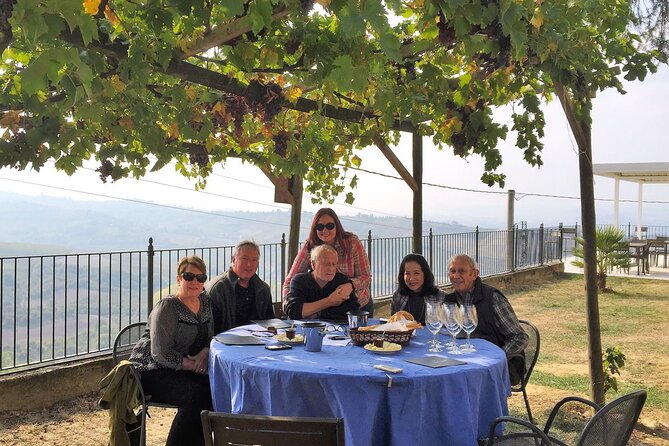
A Nebbiolo day has a rhythm. This Barolo & Barbaresco Wine Tour pairs three premium winery tastings with real village time in the heart of the Langhe-Roero and Monferrato, plus an English-speaking winemaker perspective that makes the wines click. I love how the day is structured around tasting differences, not just collecting glasses, and I also like that the group stays small, with room for questions and slower pacing.
One thing to plan for: lunch isn’t included, so you’ll want to eat before you go or plan a simple bite during your village break.
In This Review
- Key things to know before you go
- A full-day Nebbiolo lesson in Langhe-Roero and Monferrato
- Meet the winemaker: why it changes everything
- Getting started in Alba: timing, pickup, and transport sense
- Barolo village break: free time and the fortress-town vibe
- Roddi: panoramic views and real Barolo comparisons
- From Nebbiolo to Barbaresco: why the east side matters
- Three wineries and premium tastings: how to make the most of it
- What the free time really buys you (and how to plan around it)
- The small-group advantage: conversation, flexibility, and comfort
- Price and value: does $349.19 make sense?
- Who this tour is best for
- Should you book this Barolo & Barbaresco wine tour?
- FAQ
- How long is the tour?
- What is the price per person?
- Is pickup available?
- What time does the tour start and where does it end?
- How many wineries are included?
- Is lunch included?
- What language is the tour offered in?
- Are there any free time stops?
Key things to know before you go
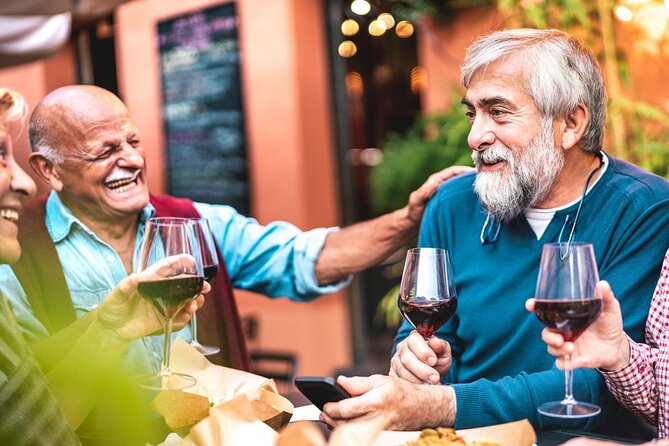
- Small-group format (max 7 travelers) for easier conversation and a more personal feel
- Three winery tastings with premium pours across the region’s Nebbiolo style
- Village time in Barolo or La Morra (which one depends on the wineries booked)
- Roddi focus on landscapes and comparisons, including how soil changes flavor within Barolo production
- A winemaker-led day in English, where you get the process from grapes to bottling
- No lunch included, but you do get free time in villages where you can grab food
A full-day Nebbiolo lesson in Langhe-Roero and Monferrato
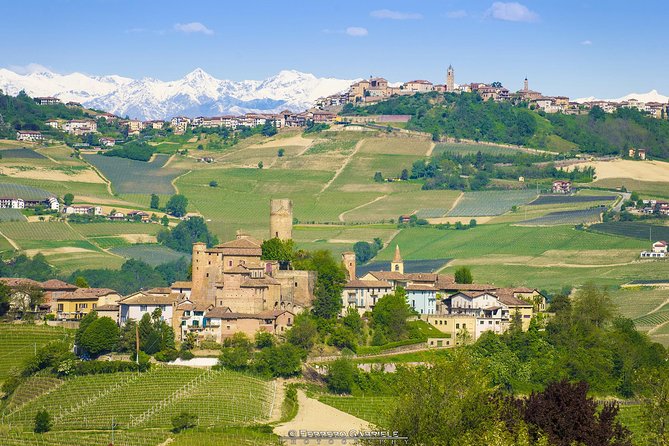
This tour is built for people who want to understand Barolo and Barbaresco, not just taste them. You spend the day moving through the wine country around Alba, with structured winery stops and short breaks in classic villages where the scenery helps you grasp what you’re drinking.
You’ll likely start with a baseline: Nebbiolo in both Barolo and Barbaresco, and how place (not just grape) steers the final style. The pace is designed to keep it fun and readable, especially if you’re new to Italian wine terms. The payoff is that by the end of the day, you can explain what changed and why, instead of only saying that something tastes good.
Meet the winemaker: why it changes everything
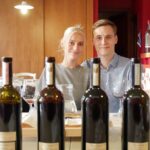
The biggest value here is the winemaker angle. A friendly English-speaking winemaker is part of the day, and it’s not just a talking head between sips. In practice, you get a walk-through of how grapes become wine, including the practical steps that shape the final bottle.
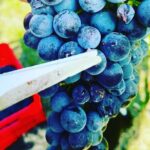
From what I learned and what the guides consistently emphasize, the best moments are the ones that connect details you can see (like site and season) to what you taste later. A great example: you’ll hear about how the growing season and decisions during harvest connect to what ends up in the glass. One guide was especially strong on explaining the chain from harvesting to bottling and shipping, and you can really feel the difference between a winemaking perspective and a generic winery presentation.
If you care about the craft, this is the part you’ll remember when you’re back home trying to describe a Barolo to a friend.
More Barolo and Barbaresco cellar days south of Turin
Getting started in Alba: timing, pickup, and transport sense
The tour begins at 10:00 am and runs about 8 hours. The meeting point is Via Vivaro, 2, 12051 Alba CN, Italy, and pickup (when offered) happens at Piazzale Cleto Giovannoni, at the corner with Via Vivaro, by the newsstand. You’ll end back at the same meeting point.
This is also an easy day to plug into your trip logistics because Alba is reachable by train from Turin. If you’re basing in Turin, that helps. If you’re already in the Alba area, the fixed start point keeps things low-stress.
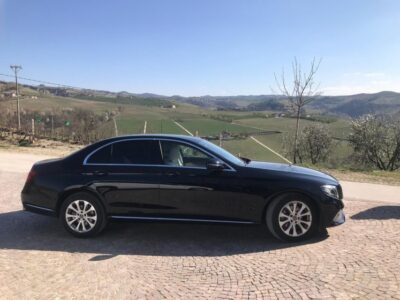
One practical note: the vehicle is air-conditioned, which matters in warm months when you’ll be looking at hill villages that are beautiful but not always cool.
Barolo village break: free time and the fortress-town vibe
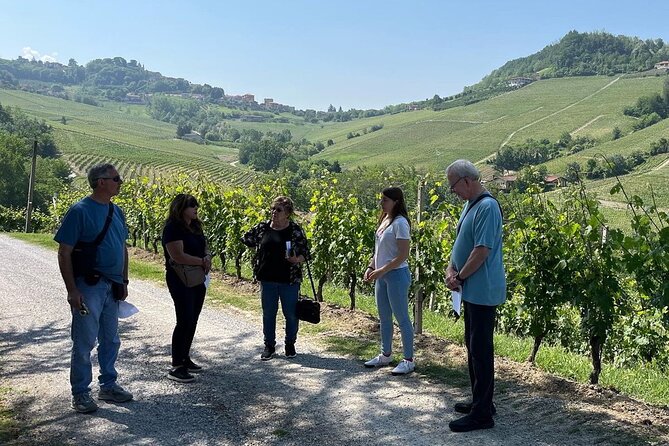
Your first major wine-country moment is Barolo. Depending on the wineries booked, you’ll get free time set in either Barolo or La Morra. Either way, it’s about getting your bearings on the ground—before you taste your way through Nebbiolo’s personality.
This stop includes 45 minutes of free time, and admission there is free. The main drawback is also simple: 45 minutes goes fast, so choose one or two priorities. If you want photos, pick a viewpoint and commit. If you want a slow coffee, keep it quick and move on before the group rolls.
Barolo itself is tied to the medieval fortress feel of the area, and the villages give you a sense of why the wine landscape looks the way it does. Even if you only get a short walk, the scenery helps your palate pay attention.
More Piedmont wine tours out of Turin
- Abellonio Cascina Piccaluga – visit to the vineyards, to the wine tasting cellar
★ 5.0 · 237 reviews - Piedmont Winery Tour: Taste Barolo, Barbaresco & Traditional Food
★ 4.5 · 110 reviews - Piedmont: Winery Tour, Taste Barolo, Barbaresco & Local Food
★ 4.6 · 52 reviews - Barolo Wine Tour
★ 5.0 · 47 reviews
Roddi: panoramic views and real Barolo comparisons
After the Barolo-side orientation, the tour highlights Roddi—a village known for its medieval fortress and for being one of the eleven villages where Barolo is produced. This is where the day starts to become more than sightseeing.
You get panoramic scenery, but the real goal is comparison. You’ll hear how different soil within the same area of Barolo production can lead to noticeable differences in the wines. The practical value is that you stop treating Barolo like one single flavor profile and start understanding it as a set of choices shaped by vineyard conditions.
This is also where small-group touring helps. When you can ask questions without shouting over a crowd, you can clarify things like why one pour feels tighter or more lifted than another, even when they share the Nebbiolo DNA. Roddi gives you the backdrop, and the tastings translate the scenery into taste.
From Nebbiolo to Barbaresco: why the east side matters
Later, you shift to the concept that Nebbiolo can feel different even when it comes from the same grape variety. The tour points to the area on the east side of Alba, where Nebbiolo can produce a different wine called Barbaresco.
The value of this part is the mental model it builds: Barolo and Barbaresco aren’t just two labels; they’re two expressions tied to their geography and production choices. Once you’ve tasted with that lens, it’s easier to notice what changes—structure, texture, and the way aromas show up as the wine warms.
If you’re the type who enjoys comparisons, this segment is a highlight. Even if you’re not obsessive about vineyard terms, you’ll come away with a clearer sense of what to look for when you’re reading bottle labels back home.
Three wineries and premium tastings: how to make the most of it
You visit three different wineries with premium wine tastings. That’s a big chunk of the day, but the structure matters. Instead of one long tasting at a single stop, you’re sampling across different settings and likely different winemaking styles, which makes comparisons easier.
My advice is simple: pace your attention. Take a quick note after each tasting, focusing on just two things: one aroma you can name and one texture/structure you notice (like how the wine feels on the palate). Don’t try to write a chemistry report. The goal is to build a map in your head.
Also, ask about the winemaker’s decisions in plain language. A strong winemaker can explain things like harvest timing, fermentation or aging choices, and how those impact what you taste. One guide was praised for explaining the full chain from harvesting to bottling and shipping, and you’ll probably appreciate that kind of end-to-end context.
Finally, remember the practical reality: this is a tasting day, so plan hydration and keep your energy steady. The air-conditioned vehicle helps, but you’ll still be outside long enough to feel it.
What the free time really buys you (and how to plan around it)
You get free time in at least one village, and your Barolo-side break is likely the main moment. This is where you can reset, take photos, and grab food if you want it fast and simple.
But there’s a key planning detail: lunch isn’t included. That doesn’t mean the day is hard—it just means you shouldn’t rely on the tour to solve your meals. If you tend to get hungry, eat something solid before you start, then treat the village break as your chance for a quick bite.
A second planning tip: use the free time to walk a short loop rather than aiming for a long hike. You’ll want to be back on time, and the value is in the views and the vibe, not in covering ground.
The small-group advantage: conversation, flexibility, and comfort
This tour caps at maximum 7 travelers, and that’s more than a number. A smaller group means you can actually hear the winemaker and guide, and you can ask follow-up questions without waiting your turn through a crowd.
The guides for this experience are repeatedly praised for being friendly and warm, and one guide named Marco was specifically noted for making a mixed group feel welcome, including guests from India, the UK, the USA, and Mexico. That matters, because wine days can be intimidating if you’re new. A guide who explains winemaking in human language makes the whole experience more enjoyable.
You may also get extra help with practical needs. One guide was praised for going above and beyond for a couple who got engaged on the trip and for travelers who wanted to ship wine home. While you shouldn’t plan your day around a surprise engagement, it tells you that the team pays attention to what’s important to people.
Price and value: does $349.19 make sense?
At $349.19 per person, this isn’t the cheapest way to taste Barolo and Barbaresco. The value comes from what’s bundled into the day: three premium winery tastings, a winemaker-led English day, and air-conditioned transport, plus a village break that helps you understand what you’re seeing.
If you were to arrange this independently, you’d likely spend similar or more on transportation and multiple tastings, and it would take more effort to find English-speaking access that covers Barolo comparisons in a single route. The group size also helps reduce frustration, since you’re not coordinating multiple cars and tour reservations.
In other words, this price makes sense if you want a guided “A to Z” day where you leave with clarity. If you only want a casual sip and a slow wander, you might choose something shorter or less structured.
Who this tour is best for
This is a strong fit if:
- you like wine but want the why behind the taste
- you enjoy comparing styles (especially through soil and place)
- you want an English-speaking guide who can answer questions
- you want a single day that covers both Barolo and Barbaresco territory
It may be less ideal if:
- you’re only interested in drinking and not much in learning
- you strongly prefer doing everything at your own pace without group timing
- you plan meals like clockwork and need lunch provided (because it isn’t included)
Should you book this Barolo & Barbaresco wine tour?
I’d book it if you want a day where wine is explained through the region, not through generic facts. The blend of village time, Roddi’s soil comparisons, and a winemaker’s process perspective is exactly what turns tastings into understanding.
If you do book, go in with one mindset: use the day to compare. Keep track of what changes from Barolo to Barbaresco, and ask the winemaker one question that matters to you. Do that, and the price starts to feel less like a cost and more like a shortcut to real insight.
FAQ
How long is the tour?
It runs for about 8 hours.
What is the price per person?
The price is $349.19 per person.
Is pickup available?
Pickup is offered. Your driver meets you at Piazzale Cleto Giovannoni, at the corner with Via Vivaro (by the newsstand).
What time does the tour start and where does it end?
It starts at 10:00 am and ends back at the meeting point on Via Vivaro, 2, in Alba.
How many wineries are included?
The tour includes three different wineries with premium wine tastings.
Is lunch included?
No, lunch is not included.
What language is the tour offered in?
It’s offered in English.
Are there any free time stops?
Yes. You’ll have free time in at least one of the villages, including a 45-minute break in Barolo or La Morra depending on the wineries booked.
More Tours in Turin
- Turin: Guided Egyptian Museum Tour★ 4.7 · 1,573 reviews
- Turin: Magic Guided Tour★ 4.6 · 1,447 reviews
- Turin: Egyptian Museum Small Group Skip-the-Line Guided Tour★ 4.8 · 1,332 reviews
- Turin: Hop-on Hop-off Bus Tour with 24 or 48-Hour Ticket★ 4.2 · 941 reviews
- Turin: Small-Group Walking Tour of Top City Highlights★ 4.8 · 839 reviews
- Turin: Juventus Museum entry ticket & Stadium Tour★ 4.4 · 561 reviews
More Tour Reviews in Turin
- Turin: Torino+Piemonte 2-Day City Card★ 4.6 · 1,837 reviews
- Turin: Guided Egyptian Museum Tour★ 4.7 · 1,573 reviews
- Turin: Magic Guided Tour★ 4.6 · 1,447 reviews
- Turin: Turin & Piedmont 3-Day City Card★ 4.7 · 1,434 reviews
- Turin: Egyptian Museum Small Group Skip-the-Line Guided Tour★ 4.8 · 1,332 reviews
- Turin: Hop-on Hop-off Bus Tour with 24 or 48-Hour Ticket★ 4.2 · 941 reviews
More Barolo and Barbaresco Cellar Days
- Piedmont Winery Tour: Taste Barolo, Barbaresco & Traditional Food★ 4.5 · 110 reviews
- Piedmont: Winery Tour, Taste Barolo, Barbaresco & Local Food★ 4.6 · 52 reviews
- Barolo Wine Tour★ 5.0 · 47 reviews
- Barolo&Barbaresco Wine Experience with a Local Winemaker / Milano★ 5.0 · 29 reviews
- Private Barolo Wine Tour with Winemaker★ 5.0 · 28 reviews
- Barbaresco and Barolo Tasting at Cantina Francone★ 5.0 · 28 reviews
Not sure yet? Here are more Turin tours and Piedmont escapes we have written up
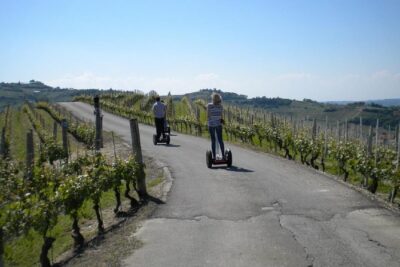
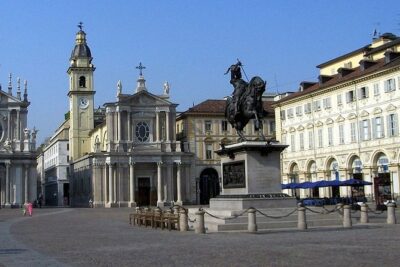
Barolo & Barbaresco Wine Tours, compared.
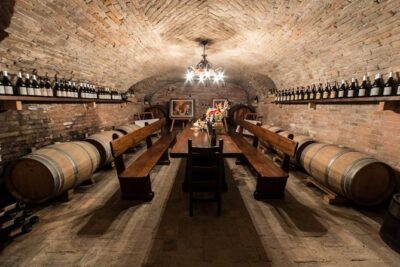 ★ 4.5Piedmont Winery Tour: Taste Barolo, Barbaresco & Traditional FoodFrom $59110 reviews
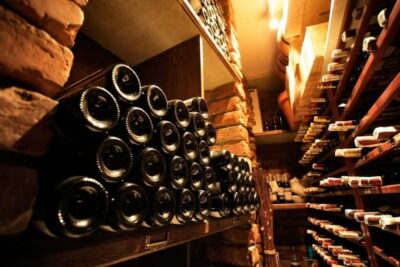 ★ 4.6Piedmont: Winery Tour, Taste Barolo, Barbaresco & Local FoodFrom $5552 reviews
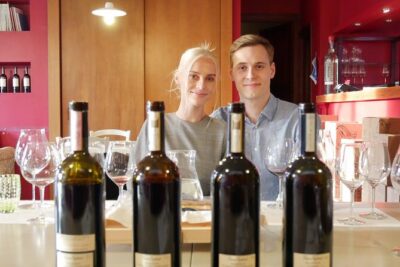 ★ 5.0Barolo Wine TourFrom $19847 reviews
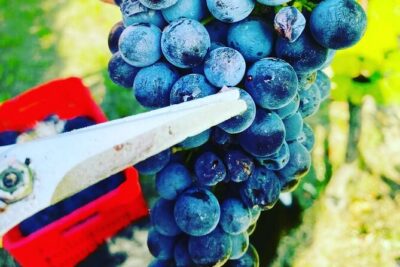 ★ 5.0Barolo&Barbaresco Wine Experience with a Local Winemaker / MilanoFrom $60029 reviews
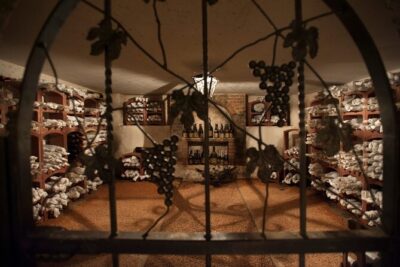 ★ 5.0Barbaresco and Barolo Tasting at Cantina FranconeFrom $6028 reviews
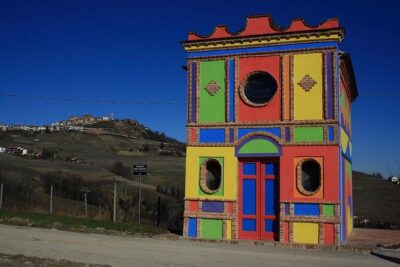 ★ 5.0Private Barolo Wine Tour with WinemakerFrom $42028 reviews
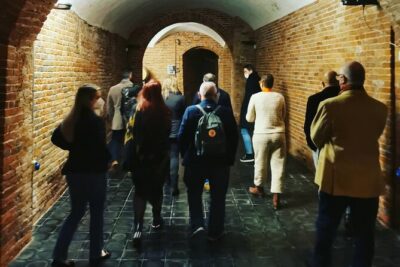 ★ 5.0Barolo & Barbaresco Wine Experience with a Local Winemaker / AlbaFrom $18025 reviews
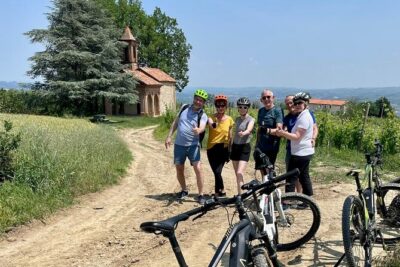 ★ 5.0“Langhe del Barolo” Private E-bike Tour – Asphalt and Dirt RoadFrom $12023 reviews
Browse the lists this tour appears in