
Reviewed · LANGHE, ALBA & TRUFFLE COUNTRY
Langhe Experience
If you want Barolo country fast, start here. This one-hour tasting in Castiglione Falletto puts you in the heart of the wine-making area, with multiple producers under one roof and a lineup that moves from lighter whites to serious reds. I especially like the way the setting highlights the producers themselves, not just the brand names. It also makes it easy to compare how the same land can taste different.
What I really love is the variety: you can taste Dolcetto d’Alba, Barbera d’Alba, Nebbiolo d’Alba (or Langhe Nebbiolo), and then Barolo. I also appreciate the human side—warm, simple hospitality in a local Piedmontese setting—plus the chance to enjoy it on an outdoor terrace when the weather cooperates. The one drawback to keep in mind: the experience includes a snack with tasting, but in practice it may be something basic, so don’t expect a full meal.
In This Review
- Key Things to Know Before You Go
- Castiglione Falletto’s Municipal Cellar: The Simple Way to Taste a Region
- The Hour-Long Itinerary: What You’ll Actually Taste
- Starting with lighter wines: Arneis and Favorita
- Moving to the middle reds: Dolcetto and Barbera
- Then the Nebbiolo moment: Nebbiolo d’Alba or Langhe Nebbiolo
- Ending with Barolo: the king of the list
- The Setting and Service: Simple, Local, and Often on the Terrace
- What about the snack?
- Price and Value: Is $53.38 Worth It for an Hour?
- Getting the Most Out of Your Tasting (Even If You’re Not a Wine Nerd)
- Where This Fits in Your Piedmont Day
- Who Should Book This Tasting, and Who Might Pass
- Best fit
- Good for
- Consider skipping if
- Should You Book? My Practical Recommendation
- FAQ
- Where does the tasting start?
- How long is the experience?
- What wines are included in the tasting?
- Is this a private tour?
- What are the opening hours?
- What happens if weather is poor?
Key Things to Know Before You Go
- Municipal cellar setup: You taste producers gathered in the Cantina Comunale con Cucina in Castiglione Falletto
- Smart wine range: Expect whites (Arneis/Favorita), then Dolcetto, Barbera, Nebbiolo/Langhe Nebbiolo, and Barolo
- Terrace time if weather allows: Outdoor tastings can be a highlight, especially with the view
- Private for your group: Only your group participates, so it feels calmer and more focused
- Mobile ticket: You’ll use a mobile ticket for check-in at the meeting point
- Single, concentrated stop: This is designed to fit into a tight schedule—about one hour
Castiglione Falletto’s Municipal Cellar: The Simple Way to Taste a Region
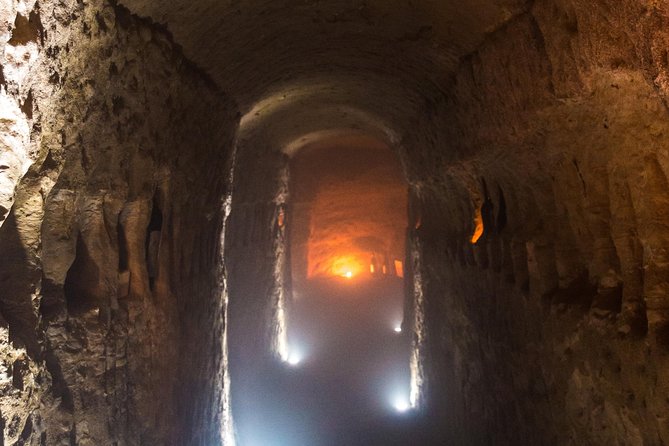
Castiglione Falletto is one of those Piedmont places where wine isn’t a side quest. It’s the main event. The Municipal Cellar (Cantina Comunale con Cucina) is located in the Barolo production area and positioned for panoramic views, which matters more than you’d think. When a region is built on slopes, foggy mornings, and careful aging, it helps to start with somewhere that makes the geography feel real—even if you’re only there for an hour.
Here’s what makes this stop practical: the cellar houses the producers. That means you get a “many voices, one place” tasting. Instead of only hearing about one winery’s style, you can taste how different producers express the lands of Castiglione Falletto through their choices—grape handling, blending, and aging decisions. For me, that’s the fastest route to understanding what people mean when they say the terroir shows up in the glass.
Also, this is a private tour/activity. That often turns a standard tasting into something more conversational. If you have questions about why Nebbiolo can taste different from one producer to another, you’re more likely to get real answers rather than a rushed explanation.
The Hour-Long Itinerary: What You’ll Actually Taste
This experience is short by design—about 1 hour—so you’ll want to arrive ready to focus. The tasting is built around prestigious wines produced in and around Castiglione Falletto, with a clear path through styles:
More Langhe hills, Alba and truffle trips from Turin
Starting with lighter wines: Arneis and Favorita
You may begin with white wines like Arneis and Favorita. This matters because it resets your palate before you move into the darker grapes. In Piedmont, that contrast is part of the story: you get to hear the region’s softer, fruit-forward side before you hit Nebbiolo and Barolo.
If you like food-and-wine pairing, the whites are also where you’ll start thinking in terms of freshness and acidity—useful later when the tasting turns more tannic.
Moving to the middle reds: Dolcetto and Barbera
Next comes the crowd-pleasing stage. Dolcetto d’Alba tends to read as fruit-forward and easy to drink, while Barbera d’Alba often brings more acidity and a more structured bite. When you taste these back-to-back, you’ll feel how the same region can swing from lighter red character to deeper red intensity.
This is a great part for you if you’re trying to sort out your preferences quickly. If Barbera makes you smile, you’ll likely enjoy young reds and lively pairings. If Dolcetto feels too light, you’ll probably gravitate toward Nebbiolo and Barolo later in the hour.
- Turin: Torino+Piemonte 2-Day City Card
★ 4.6 · 1,837 reviews - Turin: Guided Egyptian Museum Tour
★ 4.7 · 1,573 reviews - Turin: Magic Guided Tour
★ 4.6 · 1,447 reviews - Turin: Turin & Piedmont 3-Day City Card
★ 4.7 · 1,434 reviews
Then the Nebbiolo moment: Nebbiolo d’Alba or Langhe Nebbiolo
After Dolcetto and Barbera, the tasting turns serious. You’ll taste Nebbiolo d’Alba or Langhe Nebbiolo, depending on what’s offered. This is where you start paying attention to texture—tannin, dryness, and that unmistakable Nebbiolo “shape” on the palate.
I find this stage most educational because it forces you to slow down. Even with only an hour, your brain needs a second to catch up. If you like taking notes, this is the point in the tasting where jotting down quick impressions helps: perfume vs. fruit, dryness vs. silk, and how long the finish lasts.
Ending with Barolo: the king of the list
Finally, you taste Barolo—called out as the king of wines in Castiglione Falletto. Barolo typically brings more structure and a longer, more layered finish than the earlier wines. Even if you’re not a wine expert, you can usually tell the difference right away: Barolo tends to feel “built,” not just drinkable.
If you’re deciding what to buy later in your trip, this ending is smart. It gives you the reference point for everything you tasted before.
The Setting and Service: Simple, Local, and Often on the Terrace
This tasting takes place in a municipal cellar environment that’s described as simple and hospitable. That’s exactly how I like wine experiences in smaller Italian towns. You’re not trapped in a museum display. You’re in a real working wine space with a local feel, guided by polite people and a warm atmosphere.
The terrace option is a big deal. One of the standout notes from the experience is the chance to taste outside and soak up the views. Sitting outdoors changes the whole vibe. You’re not just drinking wine—you’re seeing why people come to these hills in the first place. Even if the tasting itself is brief, the setting makes it memorable.
What about the snack?
The experience includes a snack with the tasting. One thing to know: the snack might be simple (for example, grissini). So plan for wine focus first, food second. If you’re arriving hungry, I’d treat this as a tasting with a light extra—not a proper meal replacement.
Price and Value: Is $53.38 Worth It for an Hour?
At $53.38 per person for about an hour, you’re paying for a focused tasting and for access to a cellar that brings multiple producers into one experience. In wine regions, the value usually comes from comparison—tasting several styles and seeing how producers vary.
This works in your favor because:
- You get a sequence across whites, lighter reds, and then Nebbiolo and Barolo, so you can map what you like fast.
- It’s private for your group, which often improves the “quality per minute” of the experience.
- The venue is in the Barolo production area, so you’re not just stopping at a random tasting room.
The only value risk is the snack expectation. If you assume you’ll get a hearty Piedmont lunch, you could feel shortchanged. If you treat the snack as a small support item and focus on the wine, the price makes more sense.
Also, consider your timing. This activity runs on a daily schedule during the listed opening hours (11:00 AM–7:00 PM). Booking in advance helps you lock in the slot you want, since this is a popular area and the tasting window is limited.
Getting the Most Out of Your Tasting (Even If You’re Not a Wine Nerd)
You don’t need to be an expert to enjoy this. You just need a strategy for a short session.
Here’s what I’d do:
- Pick one question before you start. For example: Which producer style feels most consistent from Nebbiolo to Barolo? Or: Do you prefer Dolcetto’s approach or Barbera’s acidity?
- Taste in order, but compare in your head. Dolcetto vs. Barbera tells you what you like in red fruit and acidity. Nebbiolo tells you about tannin and structure. Barolo confirms your final preference.
- Spend extra time on Nebbiolo and Barolo. Those are the wines that anchor the region. Even if the tour is tight, you’ll get more value by being slightly slower there.
And don’t underestimate the terrace moment. If conditions allow outdoor tasting, take advantage. That changes how you remember the day, and it helps make the whole hour feel longer—in a good way.
Where This Fits in Your Piedmont Day
This experience is built for travelers who want a high-quality taste without a full half-day commitment. You can pair it with other Piedmont stops (for example, another village or a short drive through the Barolo area), because it’s roughly one hour and ends back at the meeting point.
Because it’s private and in a specific wine town, it also works well as a first serious wine experience in Italy. It gives you a foundation for future tastings: once you’ve sampled Nebbiolo and Barolo here, you’ll know what to look for elsewhere.
If you’re visiting Turin and planning day trips, this is a way to swap big-city time for a real winemaking setting—without locking your whole day into transport and long tours.
Who Should Book This Tasting, and Who Might Pass
Best fit
This tour is a great match if you:
- want Barolo country access without spending all day on logistics
- enjoy tasting multiple wine styles in one place
- like learning through experience—especially when producers vary
- prefer a private setting where you can ask questions
Good for
It’s listed as suitable for most travelers, and service animals are allowed. If you travel with a companion and want a calmer experience than a large group tasting, private can feel much more relaxed.
Consider skipping if
You might want to rethink if:
- you’re expecting a full meal (the included snack can be basic)
- you need a very structured, long guided tour (this is about 1 hour, and it’s tasting-focused)
Should You Book? My Practical Recommendation
Yes—if you want the most efficient way to taste the soul of Castiglione Falletto. The strongest pull is the lineup: Dolcetto d’Alba, Barbera d’Alba, Nebbiolo d’Alba or Langhe Nebbiolo, and then Barolo, all tied to the municipal cellar concept that brings producers together. You get comparison, variety, and a Piedmont feel in a short window.
I’d book with one mindset: focus on wine, not on a big food spread. If you do that, the hour feels like good value. If you’re the kind of person who needs a full lunch and expects lavish extras, you might leave thinking the snack was too small for your expectations.
If you’re traveling during the hours listed and weather is looking workable, this is the kind of tasting that becomes a highlight—not because it’s long, but because it’s well targeted.
FAQ
Where does the tasting start?
It starts at Via Camillo Benso Conte di Cavour, 24, 12060 Castiglione Falletto CN, Italy.
How long is the experience?
It’s approximately 1 hour.
What wines are included in the tasting?
The tasting can include Dolcetto d’Alba, Barbera d’Alba, Nebbiolo d’Alba or Langhe Nebbiolo, and Barolo. Arneis and Favorita are also mentioned as options.
Is this a private tour?
Yes. It’s a private tour/activity, and only your group participates.
What are the opening hours?
The activity runs within the listed opening hours: Monday–Sunday from 11:00 AM to 7:00 PM.
What happens if weather is poor?
The experience requires good weather. If it’s canceled due to poor weather, you’ll be offered a different date or a full refund.
More Tour Reviews in Turin
- Turin: Torino+Piemonte 2-Day City Card★ 4.6 · 1,837 reviews
- Turin: Guided Egyptian Museum Tour★ 4.7 · 1,573 reviews
- Turin: Magic Guided Tour★ 4.6 · 1,447 reviews
- Turin: Turin & Piedmont 3-Day City Card★ 4.7 · 1,434 reviews
- Turin: Egyptian Museum Small Group Skip-the-Line Guided Tour★ 4.8 · 1,332 reviews
- Turin: Hop-on Hop-off Bus Tour with 24 or 48-Hour Ticket★ 4.2 · 941 reviews
More Langhe, Alba and Truffle Trips
- Museo delle Langhe Entrance Ticket★ 4.5 · 99 reviews
- Langhe Truffle hunting Experience★ 5.0 · 60 reviews
- Truffle Hunt & Wine Tasting★ 5.0 · 39 reviews
- Barolo & Barbaresco Wine Experience with a Local Winemaker / Alba★ 5.0 · 25 reviews
- “Langhe del Barolo” Private E-bike Tour – Asphalt and Dirt Road★ 5.0 · 23 reviews
- 2-Hour Guided Family Pasta or Pizza Cooking Class in Acqui Terme★ 5.0 · 22 reviews
Not sure yet? Here are more Turin tours and Piedmont escapes we have written up
Langhe, Alba & Truffle Country, compared.
 ★ 4.5Museo delle Langhe Entrance TicketFrom $999 reviews
 ★ 5.0Langhe Truffle hunting ExperienceFrom $9760 reviews
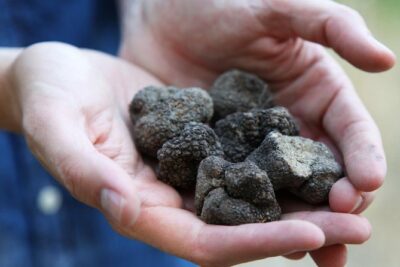 ★ 5.0Truffle Hunt & Wine TastingFrom $16539 reviews
 ★ 5.0Barolo & Barbaresco Wine Experience with a Local Winemaker / AlbaFrom $18025 reviews
 ★ 5.0“Langhe del Barolo” Private E-bike Tour – Asphalt and Dirt RoadFrom $12023 reviews
 ★ 5.02-Hour Guided Family Pasta or Pizza Cooking Class in Acqui TermeFrom $10822 reviews
 ★ 5.0Truffle Hunting and Lunch in Piedmont TrattoriaFrom $19220 reviews
 ★ 5.0ALBA walking & TASTING tour (food, wine and history)From $16613 reviews
Browse the lists this tour appears in