
Reviewed · LANGHE, ALBA & TRUFFLE COUNTRY
Piedmont: Truffle Hunting
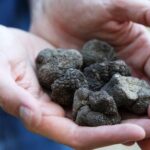
Truffles don’t come from supermarkets, and that makes this hunt real. You follow a Truffle Hunter through Piedmont’s countryside, learn how the dogs work, then try the hunt in a secret area.
What I like most is the way the experience pairs storytelling with action. You get a short intro on the history of truffle hunting and how hunting dogs are trained, plus you’ll also learn the symbiotic relationship between truffles and nearby plants.
One thing to consider: transport and lunch aren’t included in the listing info you provided, and bad weather can change comfort fast. Bring waterproof shoes and plan to be outside for the full 2.5 hours.
In This Review
- Key highlights you’ll actually feel
- Piedmont truffle season: what you might find by month
- Meeting point at Via Roma/Piazza Dante-Gavi (AL): start simple
- The vineyard ride and the quick Truffle Hunter briefing
- Following Ethan and the dogs: the hunt in a secret area
- Truffle school and sensory analysis: learning how experts look
- The guide matters: Gian’s communication and flexibility
- Transport and timing: what’s included, what’s not, and how to plan
- Price value: how $152.93 makes sense for a guided dog hunt
- Weather-ready: what to wear when Piedmont gets messy
- Who this tour suits best (and who should rethink)
- Should you book Piedmont Truffle Hunting with trained dogs?
- FAQ
- How long is the truffle hunting experience?
- Where does the tour start and end?
- Will there be trained truffle dogs?
- What truffles might we find depending on the season?
- What languages are available?
- Is transport included?
- What should I wear in bad weather?
Key highlights you’ll actually feel
- Two trained truffle dogs guide the search, with Ethan named as one of the dogs used for the hunt
- Secret hunting area where you follow the Truffle Hunter rather than just walking around
- Truffle school + sensory analysis so you learn what you’re seeing, not just chasing smells
- History of truffle hunting tied to how people and dogs find these fungi
- Small group setting with a translator (Italian and English) so you’re not left out
Piedmont truffle season: what you might find by month
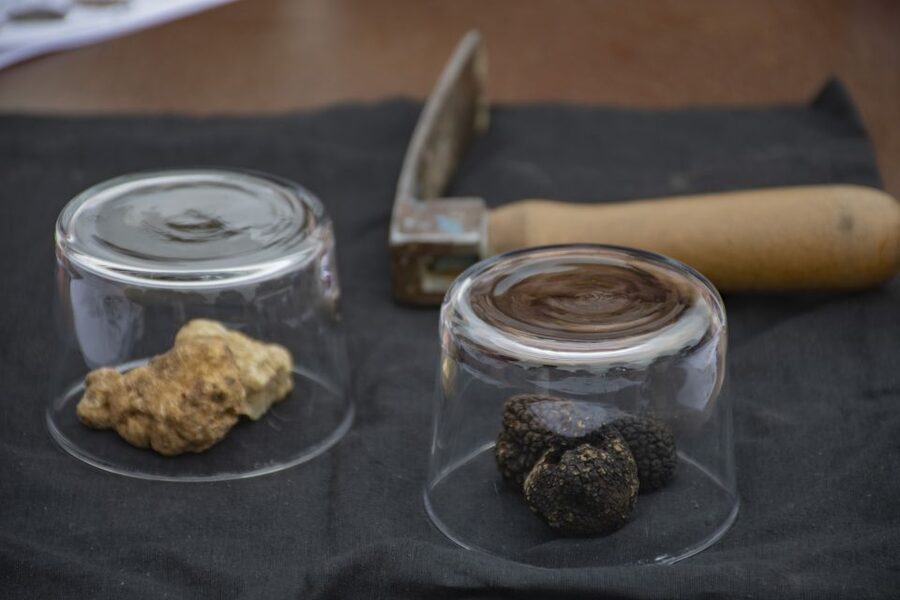
This experience is seasonal, so the “type of truffle” is really your timeline. The tour info you shared lists several categories that line up with different months in Piedmont, and that helps you set expectations before you go.
Here’s the seasonal guide you can use:
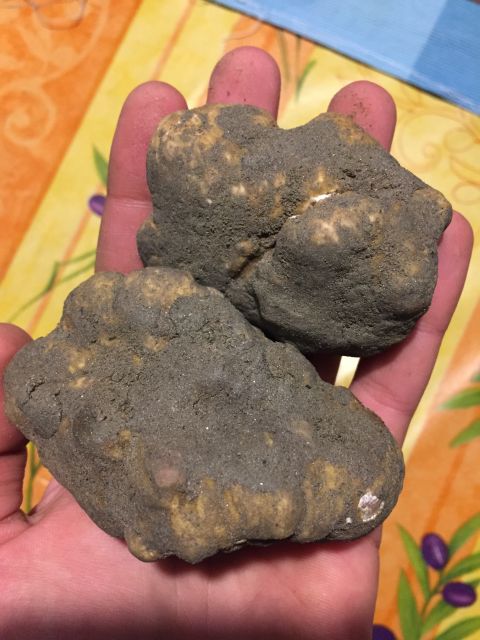
- Summer Black Truffle: June, July, August, September
- Alba white truffle: September, October, November, December
- Autumn black truffle: September, October, November, December
- Precious black truffle: December, January, February
Why this matters for your planning: if you’re traveling in peak white-truffle months (September through December), you can expect the focus to shift compared with the summer black-truffle season. If your dates are tighter, check availability and confirm what’s most likely for the window you’re in.
Meeting point at Via Roma/Piazza Dante-Gavi (AL): start simple
You start and end at Via Roma/Piazza Dante-Gavi (AL), Piedmont, Italy. That matters because you don’t have to solve complicated transit from some far-flung meeting spot. It’s also easier to build the rest of your day around a 2.5-hour block.
The plan is straightforward: arrive at the meeting point, travel to the hunting area, do the hunt, then return back to the same meeting point. You also get live guide support in Italian and English, plus translation is included.
A small practical tip: arrive a few minutes early so you can settle in before the short intro begins.
More Langhe hills, Alba and truffle trips from Turin
The vineyard ride and the quick Truffle Hunter briefing
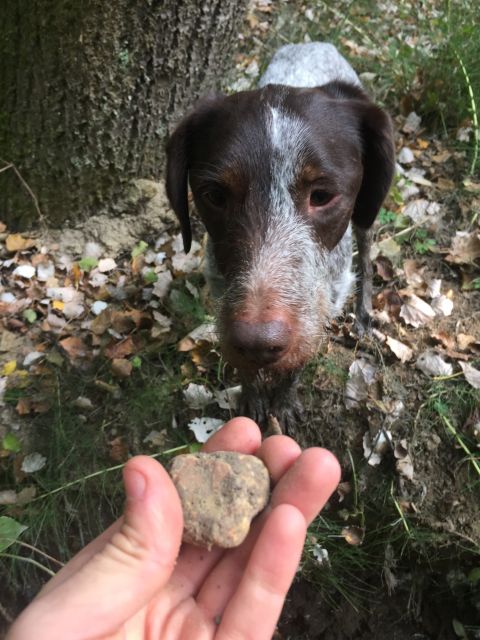
Before the hunt starts, you’ll travel from the meeting point to the area where you’ll search. Along the way, the experience includes time to appreciate the beauty of local vineyards, which is a nice change of pace from rushing straight to the woods.
Once you reach the area, you get a short introduction covering:
- the history of truffle hunting
- how hunting dogs are trained
- the different types of truffles that may be found during your season
This “set-up” is more than trivia. When you understand what you’re looking for and why the dogs behave the way they do, the hunt becomes less random. You’re not just hoping for results—you’re learning a system.
Also, this is where you’ll likely hear how the Truffle Hunter works with the dogs during the search. That makes the later moment when the dogs indicate something feel more intentional and less like guesswork.
Following Ethan and the dogs: the hunt in a secret area
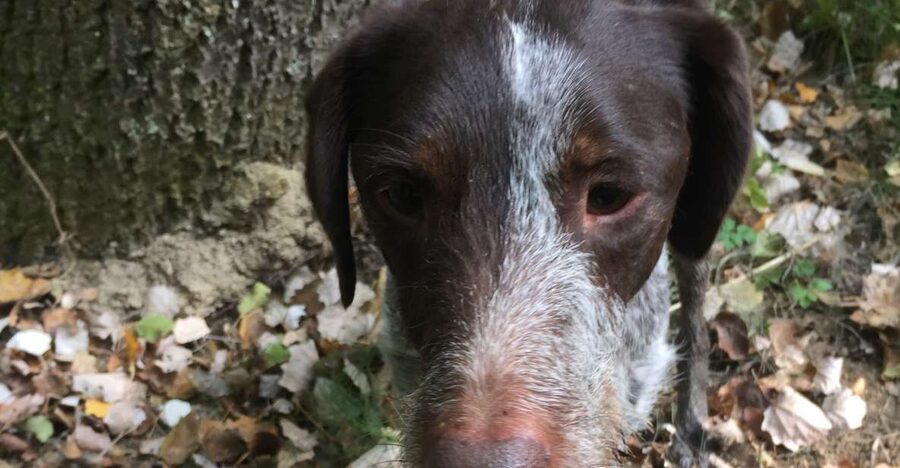
The main event is the hunt itself, done with the help of two specially trained truffle dogs. One of them is named Ethan, and you follow the Truffle Hunter while the dogs lead the action.
The hunt happens in a secret area, which adds a real sense of place. It also suggests the guide isn’t just taking you to a public spot where anyone can wander and hope for the best. In other words, you’re doing an organized activity, not DIY mushroom foraging with gloves.
During the hunt, you’ll also pick up how truffles connect to the surrounding ecosystem. The tour info specifically mentions the symbiotic relationships between the truffle and other plants, and you’ll get that concept while you’re out there, rather than reading about it later in a museum gift shop.
What you should expect emotionally:
- You’ll be outdoors and moving slowly, paying attention.
- The dogs’ behavior will guide your focus.
- You’ll likely feel more “in the process” than just watching from the sidelines.
Not every stop is guaranteed to produce a truffle in the way you imagine. But the value here is that you learn the method and the logic behind the hunt, not just the outcome.
- Turin: Torino+Piemonte 2-Day City Card
★ 4.6 · 1,837 reviews - Turin: Guided Egyptian Museum Tour
★ 4.7 · 1,573 reviews - Turin: Magic Guided Tour
★ 4.6 · 1,447 reviews - Turin: Turin & Piedmont 3-Day City Card
★ 4.7 · 1,434 reviews
Truffle school and sensory analysis: learning how experts look
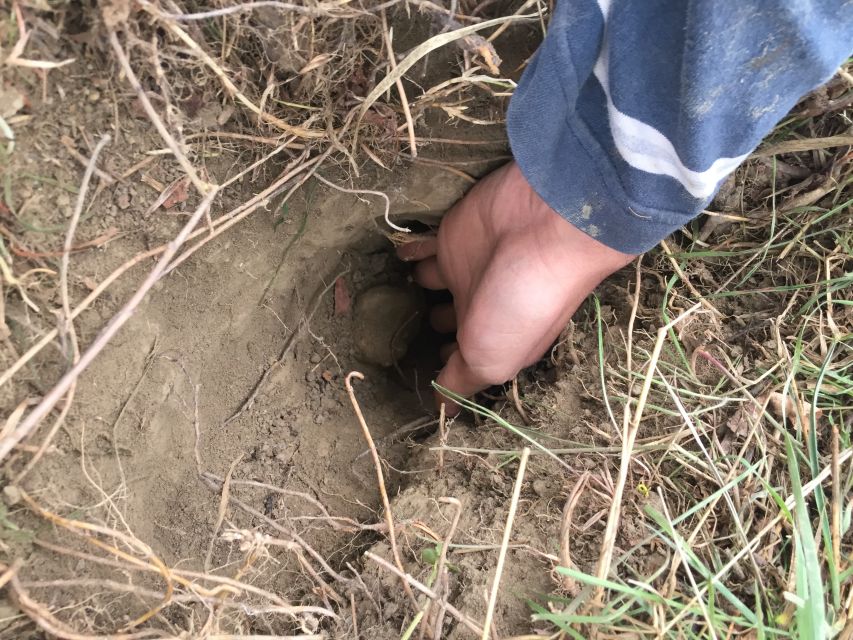
This experience includes Truffle school and sensory analysis, which is one reason it feels more educational than basic tours. Sensory analysis in this context likely helps you understand how truffle hunting is interpreted in the field—what people look for and how the dog’s signals translate into real decision-making.
Even if you’ve never done anything like this, the pairing of:
- history and training (before)
- hunt with dogs (during)
- sensory learning (while you’re there)
…makes the whole thing click faster. You’re building a mental map of how the hunt works: fungi, plants, dog training, and the handler’s guidance.
One of the most “Piedmont-specific” parts is the emphasis on the relationship between truffles and plants. That kind of ecological framing is what separates truffle hunting from a simple outdoor snack hunt.
And since a translator is included, you can stay engaged even if you’re not confident in Italian. The language support also helps you understand the “why” behind each step, which is usually where the most interesting stories live.
The guide matters: Gian’s communication and flexibility
The reviews you shared highlight that the guide experience is a big part of why people rate this tour highly. In particular, one review calls out Gian as flexible, competent, communicative, and fun.
That kind of guide energy matters a lot for an activity like this. A truffle hunt isn’t just a checklist—it’s timing, timing again, and adjusting when weather or conditions shift. A flexible, communicative guide keeps the group informed so nobody feels lost or rushed.
It also makes the “secret area” feel less mysterious in an annoying way. Instead of you wondering what’s happening, you’ll have someone guiding you through the hunt in a way that’s understandable.
If you care about learning, this is the style you want: clear instructions, practical explanations, and a guide who can steer the experience without turning it into a lecture.
Transport and timing: what’s included, what’s not, and how to plan
The experience includes Arranged transport in the highlights, but the details also list Transport under “Not Included.” That contradiction means you should treat it as something to confirm before you go.
Here’s how I’d handle it:
- Ask what transport you’re expected to arrange yourself.
- Confirm whether the transport is provided by the operator as part of the 2.5-hour experience window.
- Make sure you know how you’ll get to the meeting point and back, since the tour ends there.
Timing is another key factor. The duration is listed as 2.5 hours, and the hunt is tied to that schedule. Plan around it like you would a guided cooking class: you’ll want something that starts after, not something that depends on you being free 20 minutes early.
Price-wise, it’s not a cheap activity, but it does include the “hard parts” you can’t easily DIY. You’re paying for expertise, dogs, a small group setup, and guided learning.
Price value: how $152.93 makes sense for a guided dog hunt
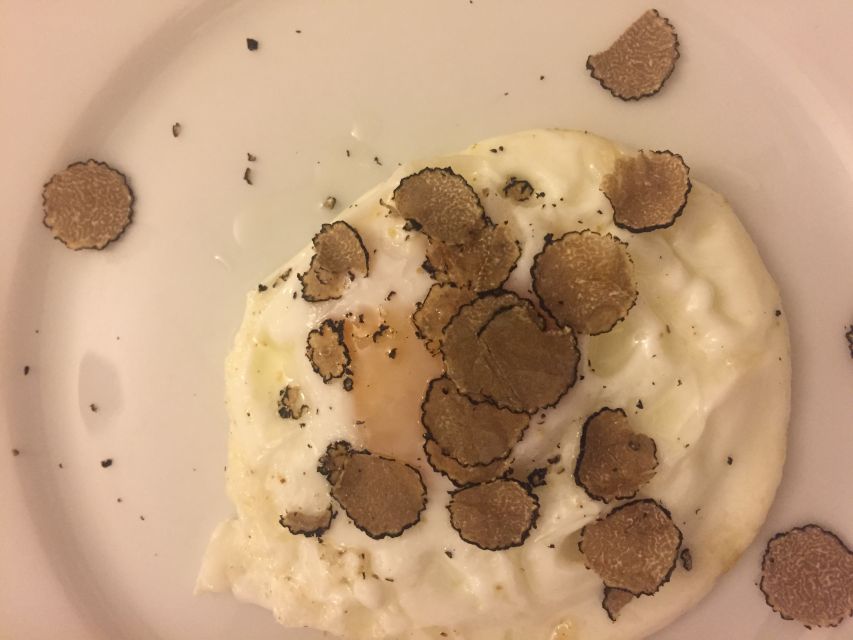
At $152.93 per person for about 2.5 hours, this isn’t the kind of excursion you pick when you just want to wander. The value comes from what’s built in: a professional truffle hunter experience with specially trained dogs, plus guided learning and translation.
Compare what you get versus what you’d have to figure out yourself:
- You’re not just walking in the woods; you’re following a professional Truffle Hunter
- You’re not finding this by luck; you’re using trained dogs and guidance
- You’re not only seeing truffles; you get sensory analysis and a brief educational format
- It’s handled as a small group, not a big crowded bus scene
Where it can feel expensive is if you’re expecting a long, hands-on, guaranteed truffle harvest experience. The info you provided doesn’t promise a specific amount of truffle, so it’s best to see this as a guided hunt and education session first.
If you love food culture, nature, and local expertise, the price can feel fair because it’s paying for access and know-how—not just scenery.
Weather-ready: what to wear when Piedmont gets messy
Weather is the one practical variable you can’t control. The information you shared advises that in bad weather you should wear waterproof clothes and shoes.
This is more than comfort. Truffle hunting involves being outside, walking on ground that can get damp, and keeping your footing while you pay attention to the dog and handler. If you go in standard shoes, you’ll spend part of the tour thinking about wet feet instead of truffles.
Bring rain protection even if the forecast looks mixed. If it’s drizzly, waterproof gear turns the experience from annoying to tolerable.
Who this tour suits best (and who should rethink)
This is a strong fit if you:
- want a guided activity with a real local craft
- like learning how experts do their work
- enjoy animals as part of the experience (trained dogs like Ethan are the core tool)
- prefer a small group with translation in Italian and English
It may not be the best choice if you:
- want a quick walk with minimal instruction
- need a fully indoor experience
- hate being outside in rain unless you have the right waterproof gear
If you’re the kind of traveler who likes hands-on learning, you’ll probably get more out of the truffle school and sensory analysis than you would from a purely scenic tour.
Should you book Piedmont Truffle Hunting with trained dogs?
I’d book this if your dates line up with one of the listed truffle seasons and you’re excited by guided field learning. The trained dogs, secret hunting area, and the combination of history plus sensory analysis make it feel like you’re learning a living tradition, not just ticking off a photo stop.
I’d also book it if you value a guide who’s flexible and communicates well—especially since Gian is specifically praised for those traits.
One last check before you commit: confirm what’s meant by transport, given the “arranged transport” highlight versus “transport not included” detail. Once that’s clarified, you can focus on the fun part: following Ethan and the handler, watching how the system works, and coming away with a better sense of why truffles are so tightly linked to the land.
FAQ
How long is the truffle hunting experience?
The duration is listed as 2.5 hours. You’ll want to check availability to see starting times.
Where does the tour start and end?
The meeting point is Via Roma/Piazza Dante-Gavi (AL), Piedmont, Italy, and the activity ends back at the same meeting point.
Will there be trained truffle dogs?
Yes. The hunt is done with specially trained truffle dogs, and one of the dogs is named Ethan.
What truffles might we find depending on the season?
The tour information lists: Summer black truffle (June–September), Alba white truffle (September–December), Autumn black truffle (September–December), and Precious black truffle (December–February).
What languages are available?
The live tour guide works in Italian and English, and a translator is included.
Is transport included?
Transport is listed as not included, but the highlights mention arranged transport. You should confirm what this means for your specific booking.
What should I wear in bad weather?
If the weather is bad, the information advises wearing waterproof clothes and shoes.
More Tour Reviews in Turin
- Turin: Torino+Piemonte 2-Day City Card★ 4.6 · 1,837 reviews
- Turin: Guided Egyptian Museum Tour★ 4.7 · 1,573 reviews
- Turin: Magic Guided Tour★ 4.6 · 1,447 reviews
- Turin: Turin & Piedmont 3-Day City Card★ 4.7 · 1,434 reviews
- Turin: Egyptian Museum Small Group Skip-the-Line Guided Tour★ 4.8 · 1,332 reviews
- Turin: Hop-on Hop-off Bus Tour with 24 or 48-Hour Ticket★ 4.2 · 941 reviews
More Langhe, Alba and Truffle Trips
- Museo delle Langhe Entrance Ticket★ 4.5 · 99 reviews
- Langhe Truffle hunting Experience★ 5.0 · 60 reviews
- Truffle Hunt & Wine Tasting★ 5.0 · 39 reviews
- Barolo & Barbaresco Wine Experience with a Local Winemaker / Alba★ 5.0 · 25 reviews
- “Langhe del Barolo” Private E-bike Tour – Asphalt and Dirt Road★ 5.0 · 23 reviews
- 2-Hour Guided Family Pasta or Pizza Cooking Class in Acqui Terme★ 5.0 · 22 reviews
Not sure yet? Here are more Turin tours and Piedmont escapes we have written up



Langhe, Alba & Truffle Country, compared.
 ★ 4.5Museo delle Langhe Entrance TicketFrom $999 reviews
 ★ 5.0Langhe Truffle hunting ExperienceFrom $9760 reviews
 ★ 5.0Truffle Hunt & Wine TastingFrom $16539 reviews
 ★ 5.0Barolo & Barbaresco Wine Experience with a Local Winemaker / AlbaFrom $18025 reviews
 ★ 5.0“Langhe del Barolo” Private E-bike Tour – Asphalt and Dirt RoadFrom $12023 reviews
 ★ 5.02-Hour Guided Family Pasta or Pizza Cooking Class in Acqui TermeFrom $10822 reviews
 ★ 5.0Truffle Hunting and Lunch in Piedmont TrattoriaFrom $19220 reviews
 ★ 5.0ALBA walking & TASTING tour (food, wine and history)From $16613 reviews
Browse the lists this tour appears in